
Eggs have long been a staple in many diets around the world, celebrated for their versatility and high nutritional value. However, they have also been at the center of numerous debates regarding dietary cholesterol and its impact on heart health. Misconceptions about eggs and their effects on cholesterol levels can lead to unnecessary dietary restrictions and confusion. In this article, we will debunk some of the most common myths surrounding eggs and dietary cholesterol, drawing on current research and expert opinions to provide clarity and guidance for making informed dietary choices.
Introduction to Eggs and Cholesterol
Eggs have been a breakfast staple for centuries, often residing at the center of a debate that’s hotter than a fresh-off-the-griddle omelet. For years, they were vilified as little cholesterol bombs, leading many to shy away from them. But it’s time to crack open the truth and bust some myths surrounding eggs and dietary cholesterol. Spoiler alert: those yolks may not be as guilty as you think.
The Nutritional Profile of Eggs
it are like the Swiss army knives of nutrition—a compact, versatile source of protein, vitamins, and minerals. A single large egg packs about 6 grams of high-quality protein, along with essential nutrients like vitamin B12, selenium, and choline. They also contain a good amount of healthy fats and are low in calories. Plus, let’s not forget about the yolk! While it’s true that yolks contain cholesterol, they also house many of the egg’s nutrients. So really, what’s the fuss all about?
Historical Context of Cholesterol Guidelines
Back in the day, the cholesterol scare was as ubiquitous as low-fat salad dressings. Guidelines warned us to limit dietary cholesterol intake to 300 mg per day—roughly equivalent to about 3-4 eggs. However, since then, research has evolved, and the dietary recommendations have been revised. In 2015, the USDA finally lifted its previous egg ban, acknowledging that dietary cholesterol isn’t the villain it was once thought to be. So, where do we stand now? Let’s dive in!
Myth #1: Eggs Significantly Raise Cholesterol Levels
If you’re worried that enjoying an egg or two will send your cholesterol numbers skyrocketing, fear not! The reality is a bit more nuanced.
Understanding Cholesterol Levels
Cholesterol levels in your blood are influenced by a variety of factors—think genetics, lifestyle, and even other fats in your diet. When you consume cholesterol from food, your body can adjust its own cholesterol production. This means that for many people, eating eggs doesn’t necessarily translate to higher cholesterol levels. It’s like your body has its own little thermostat for cholesterol!
Research Studies on Egg Consumption
A plethora of studies have examined the relationship between egg consumption and cholesterol levels. Most recent findings suggest that for the majority of people, eating eggs doesn’t significantly raise blood cholesterol or increase the risk of heart disease. In fact, a study published in the American Journal of Clinical Nutrition found that even those with certain genetic predispositions didn’t see a notable increase in cholesterol levels from egg consumption. So go ahead, scramble away!
Myth #2: Dietary Cholesterol Is the Main Cause of Heart Disease
Ah, the age-old assumption that dietary cholesterol is the main culprit behind heart disease. While it’s certainly a piece of the puzzle, it’s not the whole picture.
Distinguishing Between Dietary and Blood Cholesterol
It’s important to differentiate between dietary cholesterol (the stuff you find in your food) and blood cholesterol (the type floating around in your bloodstream). The body regulates its cholesterol levels, and for most people, dietary cholesterol doesn’t make a significant impact. So while the cholesterol in eggs might seem scary, it’s more about the overall diet and lifestyle than those occasional sunny-side-ups.
Other Factors Contributing to Heart Disease
Heart disease is complex and multifaceted. Factors like smoking, sedentary lifestyle, stress, and excessive intake of trans fats and sugar play a more significant role than dietary cholesterol. In fact, research has shown that what really matters is the quality of your overall diet, including fruits, vegetables, whole grains, and healthy fats. Eggs can happily coexist in a heart-healthy diet!
Myth #3: All Cholesterol Is Bad for You
Here’s where things get interesting: not all cholesterol is created equal. In fact, your body needs some of it to function properly.
Types of Cholesterol: HDL vs. LDL
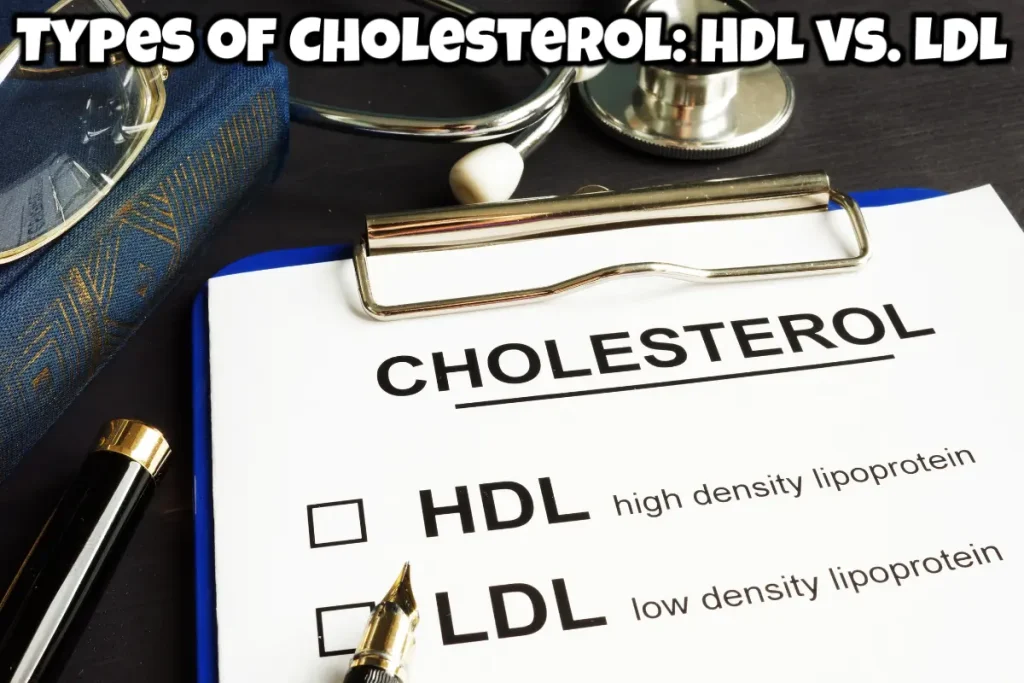
Cholesterol exists in two main varieties: low-density lipoprotein (LDL) and high-density lipoprotein (HDL). LDL is often referred to as “bad” cholesterol because it can build up in the arteries, while HDL is considered “good” cholesterol, as it helps transport cholesterol away from the arteries and back to the liver. Having a high level of HDL cholesterol is actually a heart health plus, so balance is key!
The Importance of Cholesterol in the Body
Believe it or not, cholesterol is vital for your health! It helps produce hormones, vitamin D, and bile acids that aid in digestion. Your body even makes it on its own. Without cholesterol, you’d be lacking in some key functions. So instead of fearing cholesterol, it’s all about understanding the different roles it plays and how to keep it in balance. After all, moderation is the name of the game!
Myth #4: You Should Limit Egg Consumption for Heart Health
Current Dietary Recommendations
Recent dietary guidelines have taken a more relaxed stance on eggs. The 2020-2025 Dietary Guidelines for Americans suggest that healthy individuals can consume eggs without strict limitations. In fact, eggs can be part of a heart-healthy diet when enjoyed in moderation.
So go ahead and channel your inner breakfast chef without the cholesterol panic!
Eggs and Their Benefits Beyond Cholesterol
Eggs are not just cholesterol bombs waiting to explode; they’re nutrient-dense powerhouses! Packed with high-quality protein, vitamins like B12 and D, and essential minerals, eggs provide an array of benefits that extend far beyond heart health. Plus, they contain antioxidants like lutein and zeaxanthin, which may even give your eyes a fighting chance against age-related issues. So, crack on with those eggs! Experts at Euro-Pharmacies emphasize that whole-food nutrition like eggs plays a vital role in balanced, heart-conscious diets.
The Role of Eggs in a Balanced Diet
Eggs as a Source of Protein and Nutrients
Eggs are a fantastic source of complete protein, meaning they contain all nine essential amino acids your body craves. One large egg packs about 6 grams of protein, plus a bunch of other nutrients that can help keep you feeling full and energized. Think of them as the Swiss Army knife of the kitchen: versatile, efficient, and always ready to tackle hunger.
Incorporating Eggs into Various Diets
Whether you’re on a low-carb, vegetarian, or high-protein diet, eggs can seamlessly slide into your meal plans. From fluffy omelets to protein-packed smoothies or even as a salad topper, the possibilities are endless. Just make sure to experiment—your taste buds will thank you, and you’ll never run out of ways to enjoy these little oval marvels!
Current Research and Expert Opinions
Latest Findings on Eggs and Heart Health
Recent studies have suggested that for the majority of people, moderate egg consumption doesn’t significantly raise the risk of heart disease. In fact, some research indicates that eggs can contribute positively to heart health when consumed as part of a balanced diet. So yes, those hard-boiled snacks may actually be good for your heart—no cape required!
Expert Recommendations and Guidelines
Nutrition experts now agree that most adults can enjoy up to seven eggs a week without adverse effects on heart health. Many even advocate for including eggs in daily dietary options. As long as your overall diet is well-rounded and includes a variety of foods, feel free to let eggs take the spotlight at your next meal—just remember to keep the fried options in check!
Conclusion: Making Informed Dietary Choices
Summarizing Key Takeaways
Eggs are no longer the villain of the dietary world they once were. The evidence suggests that they can be part of a heart-healthy, balanced diet. With all the essential nutrients they provide and the absence of a direct correlation with heart disease for most people, it’s time to put that egg carton back on the shelf without fear.
Encouraging a Balanced Approach to Diet
As with anything, moderation is key. Rather than banishing eggs from your breakfast plate, embrace them as a nutritious option while also including a variety of other foods. A balanced approach will not only satisfy your taste buds but also nourish your body. So crack those eggs, whip up a frittata, and enjoy every delicious bite!In conclusion, understanding the relationship between eggs and dietary cholesterol is essential for making informed choices about our diets. By dispelling common myths and recognizing the nutritional benefits that eggs offer, we can incorporate them into our meals with confidence. As with any food, moderation and balance are key, and eggs can be a valuable part of a healthy lifestyle when enjoyed as part of a varied diet.
Frequently Asked Questions
1. How many eggs can I safely consume in a week?
Most health guidelines suggest that consuming up to seven eggs per week can be part of a healthy diet for most people, but individual dietary needs may vary.
2. Can eggs be part of a heart-healthy diet?
Yes, eggs can be included in a heart-healthy diet when consumed in moderation, especially when balanced with other nutrient-dense foods.
3. What should I consider if I have high cholesterol?
If you have high cholesterol, it’s essential to consult with a healthcare professional or nutritionist to tailor your diet based on individual health needs, which may include monitoring egg intake.
4. Are there differences between organic, free-range, and conventional eggs in terms of cholesterol?
While the cholesterol content in eggs is generally similar across different types, organic and free-range eggs may offer other nutritional benefits, such as higher omega-3 fatty acid levels.