

Transforming your body is not merely about physical changes; it encompasses a profound shift in mindset that fuels long-lasting results. Whether you aim to lose weight, build muscle, or enhance your overall health, the journey begins in the mind. By understanding the intricate connection between your thoughts and physical state, setting clear and achievable goals, and cultivating a positive self-image, you can pave the way for success. This article delves into the definitive mindset required for body transformation, offering insights and strategies to overcome obstacles, embrace discipline, and maintain motivation throughout your journey.
Understanding the Mind-Body Connection
The Science Behind the Mind-Body Link
Did you know your brain is basically the boss of your body? It sends messages that control how you feel, move, and even how your body reacts to food and exercise. Studies show that when you’re mentally engaged and positive, your body tends to perform better—like an athlete who imagines winning the game before the big match. Neurons firing together create pathways, and those pathways can be strengthened through consistent, positive thinking. So, tune in to that mental soundtrack because it’s not just background music; it’s the playlist of your transformation!
How Thoughts Influence Physical Health
Your thoughts can be your best friends or your worst enemies. Ever heard of the placebo effect? It’s the real deal! When you believe something will help you—whether it’s a pill, a workout routine, or your Aunt Mildred’s homemade soup—your body often follows suit, improving your health. Negative thoughts? They can lead to stress, which can lead to weight gain, fatigue, and a general feeling of “meh.” So, bring on the positive vibes! They’re not just good for your mood; they’re essential for your bod.
Setting Clear and Achievable Goals
The Importance of SMART Goals
You wouldn’t set out on a road trip without a map (or at least a functional GPS, right?). Well, the same goes for your body transformation journey! Enter SMART goals: Specific, Measurable, Achievable, Relevant, and Time-bound. This framework ensures you’re not just saying “I want to get fit” but instead declaring, “I’ll run a 5K in three months” while actually tracking your progress. It’s like turning vague hopes into action plans, and let’s be honest—who doesn’t love a good action plan?
Breaking Down Long-Term Goals into Manageable Steps
Long-term goals can feel as daunting as climbing Everest in flip-flops. The secret? Break it down! Instead of “I want to lose 30 pounds,” try “I’ll lose 1 pound a week.” That’s just a change in portion sizes, a brisk walk, and maybe saying “no” to the whole pizza by yourself every Friday night. Each tiny victory builds momentum, making you feel more like a superhero in training rather than a lost soul grappling with a mountain of weight. Go on, take it one step (or slice) at a time!
Cultivating a Positive Self-Image
Acknowledging and Challenging Negative Thoughts
Let’s face it: We can all be our own worst critics. “I’ll never look good in shorts,” “I’m just not cut out for exercise,” or “Why can’t I be more like that Instagram model?”—sound familiar? Acknowledge these thoughts but don’t let them hijack your journey. Challenge them! For every negative thought, counter it with something positive. It’s like playing tennis with your brain—keep hitting those bad vibes back over the net until they’re out of bounds. You’re stronger than your self-doubt!
Practicing Self-Compassion and Acceptance
Hey, it’s okay to not be a fitness guru right off the bat! Everyone has their own pace, and some days will be better than others. Practicing self-compassion means treating yourself like you’d treat your best friend: with kindness, understanding, and a side of grace. Accept where you are now while still striving to be better. Remember, transformation isn’t a snapshot; it’s a whole reel of movie updates, and that popcorn isn’t going to eat itself!
Developing Resilience and Overcoming Obstacles
Identifying Common Barriers to Transformation
So, you’ve set your goals and are ready to charge ahead, but wait! Life loves throwing curveballs. Common barriers include time constraints, lack of motivation, or those tempting Netflix binges that suck you into a vortex of binge-watching. Identify what’s blocking your path—like a toddler in a shopping cart refusing to go past the candy aisle—and prepare to dodge those obstacles like a champion dodging flying pies in a food fight!
Strategies for Building Mental Toughness
Ah, mental toughness—think of it as the wine cellar of your mind, aging gracefully until you need a glass. Start small by setting daily challenges (like doing one push-up or drinking an extra glass of water). Celebrate your victories, and don’t dwell on setbacks. Engage in mindfulness or meditation to build grit, and surround yourself with supportive pals who will hype you up instead of letting you sink into the couch. When the going gets tough, the tough get going—preferably with a smile on their face and a snack in their hand (not that one, though)!
The Role of Nutrition in Body Transformation
Understanding Macronutrients and Micronutrients
When diving into the world of nutrition, you’ll encounter two main players: macronutrients and micronutrients. Macronutrients—think proteins, fats, and carbohydrates—are the heavyweights of our diet, providing the energy (a.k.a. calories) we need to power through our day. Micronutrients, on the other hand, are the tiny but mighty vitamins and minerals that help our bodies function at their best. They don’t provide energy directly, but they play crucial roles in processes like immune function, bone health, and even mood regulation. So, while you can’t live on pizza alone (trust me on this), a well-balanced intake of these nutrients is essential for any body transformation journey.
Creating a Sustainable Eating Plan
Forget the crash diets and the juice cleanses that promise change overnight—those are about as sustainable as a chocolate teapot. Instead, aim to create an eating plan that you can actually stick to. Think of it as crafting a relationship with food that’s built on love and respect (and maybe a slice of cake now and then). Start by incorporating whole foods, like fruits, vegetables, lean proteins, and whole grains, while allowing yourself the occasional treat to keep your taste buds happy. Meal prep can be your best friend here—spend a little time on the weekend to prepare some healthy meals, and you’ll prevent those impulsive drive-thru decisions during the week.
Embracing Consistency and Discipline
The Power of Routine and Habit Formation
Let’s face it: transforming your body isn’t a one-and-done deal; it’s more like a long Netflix series that you can’t binge-watch in a single weekend. Consistency is key. Establishing a routine—whether that’s hitting the gym every morning or cooking a healthy dinner each night—turns what can feel like a chore into something automatic. Habits are like little ninjas: once ingrained, they stealthily turn your goals into reality without needing constant motivation. So, find a rhythm that works for you, stick to it, and soon you’ll be doing it without even thinking (which is a pretty sweet deal if you ask me!).
Staying Accountable Through Tracking Progress
Accountability is like your personal cheerleader, but without the pom-poms and questionable dance moves. To keep yourself on track, consider journaling your food intake, exercise routines, or even how you’re feeling each day. Apps and fitness trackers can be great tools, but don’t let the technology stress you out; it’s all about creating a sense of awareness. By tracking progress, you can celebrate the little triumphs along the way, identify what works (and what doesn’t), and adjust your game plan as needed. Remember, it’s not about being perfect; it’s about making progress!
Finding Activities You Enjoy
Let’s be real: if your workout feels like a punishment, you’re going to bail faster than a cat at bath time. The key here is to find activities that you genuinely enjoy—whether that’s dancing, hiking, kickboxing, or even underwater basket weaving (okay, maybe not that last one). When you love what you’re doing, exercise transitions from “I have to do this” to “I get to do this,” and that’s a game-changer. Try different classes, join a sports league, or rope a friend into a new hobby. Spoiler alert: it makes sweating it out a lot more fun!
Balancing Different Types of Workouts
Just like you wouldn’t eat only dessert for every meal (unless you really hate your dentist), your workout routine should be well-balanced, too. Aim to incorporate a variety of exercises—strength training, cardio, flexibility work, and even some good old-fashioned fun stuff like jumping rope or playing tag. Each type of workout offers unique benefits, and mixing it up not only keeps things interesting but also helps you avoid hitting that dreaded plateau. Your body will thank you, and you’ll have more reasons to strut your stuff.
Celebrating Progress and Maintaining Motivation
The Importance of Recognizing Small Wins
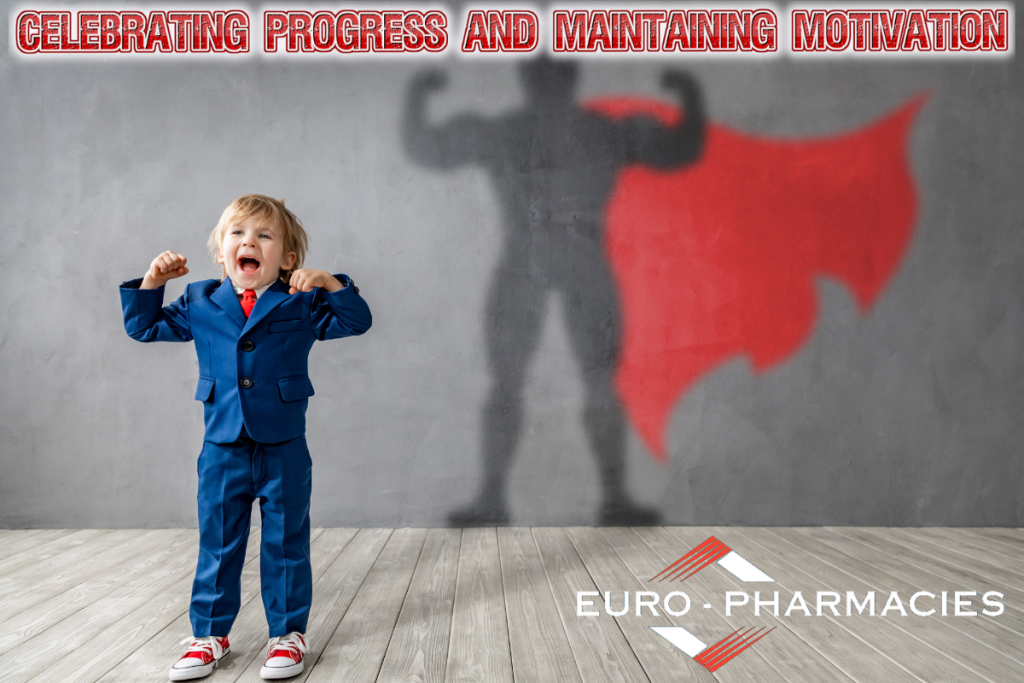
In the quest for body transformation, it’s easy to get caught up in the end goal and forget to celebrate the little victories along the way. Did you lift a heavier weight? Notice your jeans fit a bit better? Or simply refrained from eating an entire pizza in one sitting? Those are all wins! Recognizing these small victories boosts your motivation and keeps you moving forward. So go ahead, do a little victory dance in the mirror, treat yourself to a non-food reward, or just bask in the glow of your accomplishments. You’ve earned it!
Techniques for Sustaining Long-Term Motivation
Motivation can be as fickle as a cat choosing whether to sit on your lap, but fear not—there are ways to keep that fire lit! First, set realistic, achievable goals instead of lofty dreams that could fill a novel. Additionally, surround yourself with a support system of fellow fitness enthusiasts or friends who can cheer you on (preferably without the megaphones). Changing up your routine regularly and trying new things keeps boredom at bay. And remember, motivation may come and go, but discipline—the trusty sidekick—will keep you on the right path even when motivation decides to take a vacation.In conclusion, transforming your body is as much about mental strength and resilience as it is about physical effort. By adopting the right mindset, setting realistic goals, and nurturing a positive self-image, you can navigate the challenges of your journey more effectively. Embrace consistency, celebrate your progress, and remember that every small step brings you closer to your ultimate transformation. With dedication and the right mindset, you can achieve the body and health you desire.
Frequently Asked Questions
What is the most important aspect of transforming my body?
The most important aspect is adopting a positive mindset, as it influences your motivation, resilience, and commitment throughout your transformation journey.
How long does it typically take to see results from a body transformation?
Results can vary greatly depending on individual goals, commitment, and starting points, but many people begin to notice changes within 4 to 12 weeks of consistent effort.
Can I transform my body without a gym membership?
Absolutely! Body transformation can be achieved through bodyweight exercises, outdoor activities, and home workouts, combined with proper nutrition and mindset.
How important is nutrition in the body transformation process?
Nutrition plays a crucial role in body transformation, as it fuels your workouts, aids recovery, and helps manage body composition. A balanced, sustainable eating plan is essential for achieving your goals.