

When it comes to maximizing your performance and comfort in the gym, the importance of selecting the right pair of shoes cannot be overstated. Whether you’re lifting weights, engaging in high-intensity cardio, or participating in a variety of cross-training activities, the right footwear can make all the difference in your workout experience. With an overwhelming array of options available on the market, understanding key features, brand offerings, and specific shoe types for different activities is essential. This article will guide you through the best shoes for the gym, ensuring that you find the perfect fit to support your fitness journey.
Importance of Choosing the Right Gym Shoes
sports performance and muscle recovery support (Best shoes for the gym)
Choosing the right gym shoes can make a world of difference in your performance. Imagine trying to run a marathon in flip-flops—sure, you’d get a lot of style points, but not much mileage. The right shoes provide the support and responsiveness needed for various activities, whether you’re hitting the treadmill, bench pressing, or doing squats. Good footwear enhances your ability to push harder, jump higher, and lift more, making you feel like the superhero you always knew you were!
Injury Prevention
Wearing the wrong shoes in the gym is like trying to fight a bear with a pool noodle—it’s just not going to end well. Poor support can lead to blisters, shin splints, and other pesky injuries that could leave you sidelined. The right shoes help align your body properly, absorb impact, and provide stability, reducing the risk of injuries. So, invest wisely and keep those feet happy—they’ll thank you after every workout!
Key Features to Look for in Gym Shoes
Cushioning and Support
Cushioning is like the marshmallow fluff in your workout—sweet and oh-so-essential. Look for shoes that offer adequate cushioning to absorb shock, especially if you’re a high-impact enthusiast. Additionally, consider arch support, as it plays a key role in alignment and comfort. A well-cushioned shoe will have you feeling like you’re walking on clouds, even during those brutal burpee sessions.
Breathability
Let’s face it: the gym can get sweaty, and no one wants to feel like they’re wearing mini saunas on their feet. Breathable materials in your shoes help wick away moisture and keep your feet feeling fresh. Look for mesh uppers and ventilation holes—because if your feet are happy, you’ll likely feel like a million bucks (or at least a couple hundred).
Traction and Stability
Nothing ruins a workout faster than slipping and sliding around like a cartoon character. Good traction keeps you grounded, whether you’re lifting weights or sprinting on the treadmill. Look for rubber outsoles with patterns that can grip the ground. Stability is key, especially for weightlifting; you want your shoes to support your movements without feeling like you’re balancing on a tightrope.
Top Shoe Brands for Gym Enthusiasts
Nike
Nike has made a name for itself as the go-to brand for athletes, and their gym shoes are no exception. With innovative technology and stylish designs, you’ll not only feel great, but you’ll look mighty good crushing your goals. From cross-training to running, they’ve got a shoe for every sweat session.
Adidas
Adidas delivers classic style without skimping on performance. Known for their Boost technology, they provide some of the best cushioning out there. Whether you’re a cardio junkie or a weightlifting warrior, there’s an Adidas shoe that will make your gym experience feel like a walk in the park (minus the ducks).
Reebok
Reebok is the underdog that’s become a champion in the footwear game. With their emphasis on functional fitness and CrossFit, they offer shoes that are durable and versatile—perfect for gym-goers who like to mix it up. Say goodbye to boring workouts and hello to Reebok’s fresh designs!
Puma
Puma packs a punch with its fashionable yet functional gym shoes. Known for their lightweight designs and comfortable fits, these shoes are perfect for those who want style and performance without compromising either. You’ll definitely get style points while also maximizing your workout intensity.
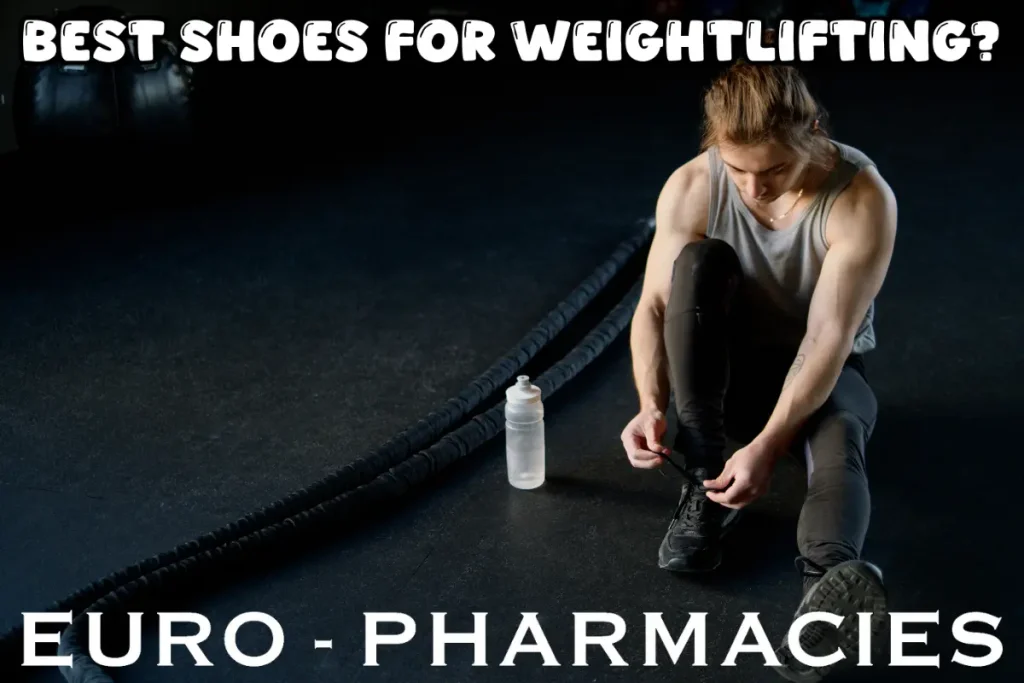
Best Shoes for Weightlifting
Characteristics of Weightlifting Shoes
Weightlifting shoes are specially designed to provide a solid foundation for your lifts. They typically feature a raised heel, which helps you achieve better squat depth and stability. With a rigid sole, these shoes minimize flex, allowing for maximum force transfer from your feet to the ground. Remember: lift heavy, lift smart!
Recommended Models
For those serious about their lifting game, check out models like the Nike Romaleos and Adidas Adipower. Both offer incredible stability and support. If you’re looking for something budget-friendly, the Reebok Legacy Lifters are a great choice without breaking the bank. Whichever you choose, make sure they give you the confidence to push those weights like the Hulk!
Best Shoes for Cardio Workouts
Features for Running Shoes
When it comes to cardio workouts, your shoes should feel like a cloud wrapped around your feet—if clouds were made of fresh foam and rubber! Look for lightweight materials for breathability, ample cushioning for shock absorption, and a flexible sole to allow your foot to move naturally. Plus, don’t forget good traction; nobody wants to channel their inner Bambi on a treadmill!
Recommended Models
1. Nike Air Zoom Pegasus 39 – A fan-favorite that combines comfort and responsiveness. It’s like running on a trampoline, without the risk of face-planting!
2. Adidas Ultraboost 22 – With its energy-returning boost midsole, these shoes are a top pick for long-distance runners. It’s practically begging you to run just a little farther.
3. Saucony Kinvara 13 – Perfect for those who want a lightweight feel with great support. Think of it as the secret weapon of seasoned runners!
Best Shoes for Cross-Training
Versatility in Design
Cross-training shoes are like the Swiss Army knife of footwear—they need to handle everything from lifting weights to high-intensity interval training. Look for a stable base, moderate cushioning, and good lateral support to keep you grounded when those burpees get wild. A flexible design ensures you can pivot as smoothly as a high school dancer at prom!
Recommended Models
1. Nike Metcon 7 – Built for the athlete who does it all, these shoes provide stability for lifting and enough cushioning for those jump rope sessions. A truly versatile MVP!
2. Reebok Nano X2 – Known for its comfortable fit and responsive cushioning, it’s ideal for switching up your workout without switching shoes.
3. Under Armour HOVR Rise 3 – With a snug fit and excellent grip, these shoes make it easy to maneuver through any type of workout without slipping or sliding. Perfect for when you’re just trying to survive that last set!
Tips for Fitting and Buying Gym Shoes
Measuring Your Foot Size
Before embarking on your shoe-shopping adventure, make sure you know your actual foot size. Remember, your foot size can change over time (sorry, age!). Measure both feet—yes, both—and go with the larger size. Your feet will thank you after that treadmill sprint!
Trying Before Buying
If you can’t find the right fit, you might as well wear clown shoes to the gym. Try on shoes in-store, walk around, and do a mini squat dance if necessary. You want comfort and support—who needs a surprise blister during your workout?
Buying Online vs. In-Store
Buying shoes online can be as tempting as that last piece of chocolate cake. Just remember to check return policies before hitting ‘purchase.’ If you’re unsure about sizes, opt for in-store shopping where you can try on multiple pairs. A little trial and error goes a long way in avoiding a shoe regret!
Conclusion: Making the Right Choice for Your Fitness Journey
Recap of Key Considerations
Choosing the right gym shoes boils down to understanding your activity type and knowing your foot. For cardio, prioritize cushioning; for cross-training, think versatility. Also, don’t forget to consider your foot shape and any specific needs, like arch support—your feet are the real MVPs here!
Final Recommendations
Ultimately, invest in shoes that fit well and cater to your workout style. Whether you’re running, lifting, or jumping, the right pair will make a world of difference. So go ahead, treat your feet to the gym shoes they deserve—because they definitely work hard for you!In conclusion, choosing the right gym shoes is a crucial step toward achieving your fitness goals while ensuring comfort and safety during your workouts. By considering the specific activities you’ll be engaging in and understanding the essential features of a quality shoe, you can make an informed decision that enhances your performance. Whether you opt for weightlifting shoes, running sneakers, or versatile cross-training footwear, investing in the right pair will ultimately support your journey to better health and fitness. Take the time to find the perfect fit, and you’ll be well on your way to enjoying every workout to the fullest.
Frequently Asked Questions
What type of shoes should I wear for weightlifting?
Weightlifting shoes typically have a raised heel and a flat sole, providing stability and better support for lifting heavy weights. Look for features like a firm midsole and a secure fit.
Can I use running shoes for cross-training activities?
While running shoes can be used for light cross-training, they may not provide the necessary support for lateral movements or high-impact exercises. It’s best to choose shoes specifically designed for cross-training to ensure optimal performance.
How often should I replace my gym shoes?
Generally, you should consider replacing your gym shoes every 300 to 500 miles of use, or every 6 to 12 months, depending on your activity level and how worn they appear. Signs of wear include reduced cushioning, visible outsole wear, and discomfort during workouts.
Are more expensive gym shoes worth the investment?
While price doesn’t always guarantee quality, higher-priced gym shoes often come with advanced materials, better design, and enhanced technology that can improve performance and comfort. It’s important to choose shoes that fit your specific needs and budget.
Team EP