
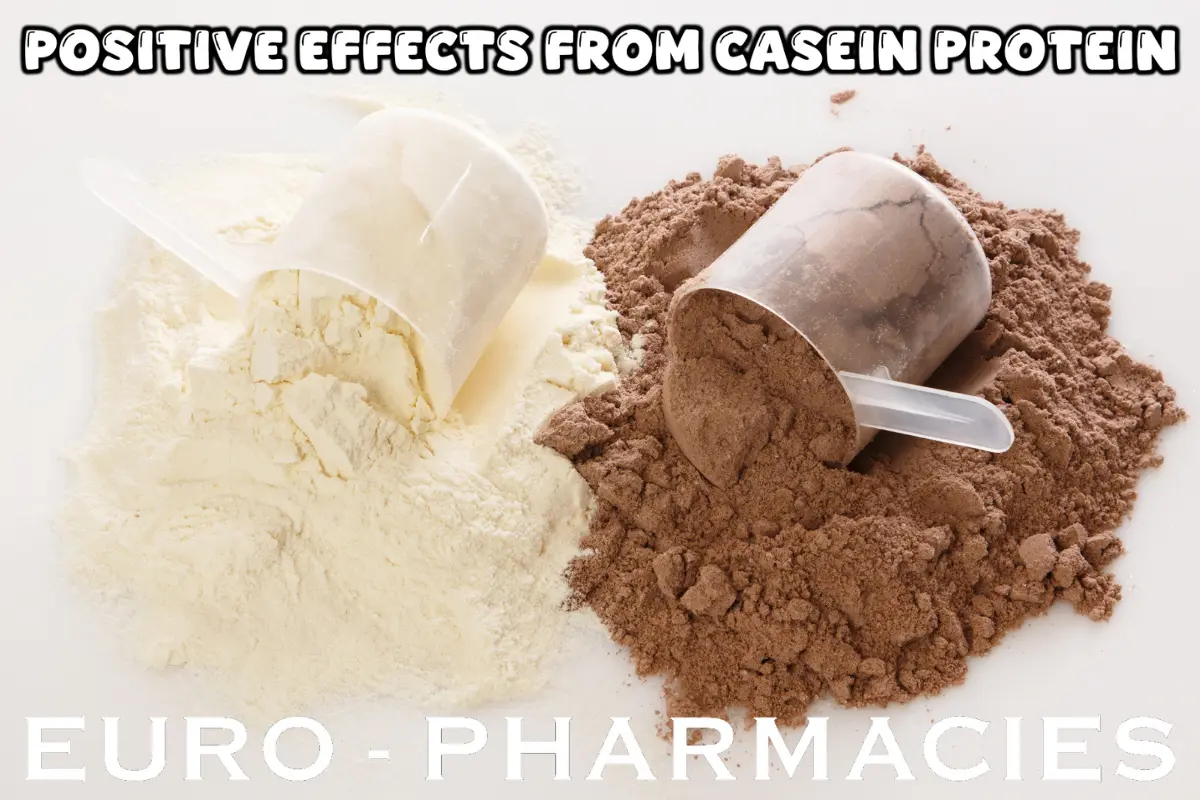
One thing the pro’s at Euro-Pharmacies know about, is Casein protein, a slow-digesting dairy protein, has gained significant attention for its wide array of positive effects on health and wellness. Unlike its faster-absorbing counterpart, whey protein, casein provides a gradual release of amino acids, making it a popular choice for muscle recovery, weight management, and overall nutritional support. Its unique properties not only contribute to muscle growth and appetite control but also play a crucial role in enhancing sleep quality and promoting bone health. This article delves into the diverse benefits of casein protein, exploring its nutritional composition, mechanisms of action, and practical ways to incorporate it into your daily diet for optimal health outcomes.
Understanding Casein Protein: An Overview
What is Casein Protein?
Casein protein is the slow-digesting superhero of the protein world, extracted mainly from cow’s milk. Making up about 80% of the protein in milk, it forms a gel-like substance in your stomach, providing a steady release of amino acids over several hours. Think of it as the tortoise in the classic race with the hare—slow but sure!
Sources of Casein Protein
You’ll find casein protein lurking in places like cottage cheese, Greek yogurt, and the ever-popular protein powders. So, if you’re sipping on a protein shake post-workout or indulging in a bowl of creamy cottage cheese, congratulations! You’re enjoying a dose of this slow-release champ.
Difference Between Casein and Whey Protein
While both casein and whey protein hail from milk, they are like two sides of the same protein coin. Whey is quickly digested, making it ideal for post-exercise recovery. Casein, on the other hand, takes its sweet time, making it perfect for those long stretches between meals or as a bedtime buddy. Think of whey as the sprinter and casein as the marathoner of protein.Unlike whey, slow-digesting casein protein provides a steady release of amino acids for long-term muscle support.
Nutritional Composition of Casein Protein
Amino Acid Profile
Casein is loaded with essential amino acids, particularly the muscle-building BCAAs (branched-chain amino acids). With a robust profile that supports recovery and muscle synthesis, it’s like having a Swiss Army knife for your nutrition.
Micronutrients in Casein Protein
Beyond its muscle-mending prowess, casein protein comes with a sprinkle of vitamins and minerals, including calcium, phosphorus, and magnesium. These micronutrients not only contribute to overall health but also play a key role in bone strength—so it’s a two-for-one deal!
Caloric Content and Serving Sizes
Typically, a serving of casein protein (about 30 grams) packs around 110 to 130 calories. This makes it a handy option for those tracking their caloric intake. Just remember not to turn your casein shake into a calorie monster—balance is key!
Benefits for Muscle Recovery and Growth
Slow Digesting Nature of Casein
Thanks to its slow-digesting nature, casein protein provides a gradual stream of amino acids, ensuring your muscles have the nutrients they need over a longer period. It’s like having a protein IV drip, minus the needles!Studies on casein protein muscle recovery show improved overnight muscle protein synthesis.
Impact on Muscle Synthesis
Research supports that casein protein can enhance muscle protein synthesis, making it a favorite among athletes and bodybuilders. By keeping your muscles fed and happy, casein helps you recover faster and build muscle more effectively—now that’s a win-win!
Timing and Dosage for Optimal Results
For those looking to reap the most benefits, consuming casein protein before bed is a popular strategy. A serving about 30-60 minutes before snooze time can help fuel muscle repair while you dream of your gains. Aim for around 20-40 grams for optimal results, and let your muscles do their thing overnight.
Role of Casein Protein in Weight
Casein Protein and Fat Loss
In the weight loss arena, casein protein struts its stuff by promoting satiety. Because it digests slowly, it helps keep hunger at bay, which means fewer snack attacks and a slimmer waistline. It’s like having a built-in appetite suppressant—who wouldn’t want that?
Effects on Lean Muscle Preservation
When you’re dieting, keeping your lean muscle mass intact is crucial. Enter casein protein, which helps preserve muscle while you shed unwanted fat. It’s like having a personal bodyguard for your gains, ensuring they remain secure while you work toward your weight loss goals.
Incorporating Casein into a Weight Loss Plan
Adding casein to your weight loss strategy is as easy as pie. Mix a scoop into your morning oatmeal, bake it into protein pancakes, or enjoy a nighttime shake. With so many delicious options, you can embrace the benefits of casein while still enjoying your meals and feeling satisfied. So go ahead, get creative!Impact on Satiety and Appetite Control
Mechanisms Behind Increased Satiety
Casein protein is a heavyweight champion when it comes to keeping you full. Its slow digestion means that it doesn’t just bounce in and out of your system; instead, it lingers like that one friend who overstays their welcome. This prolonged release of amino acids into the bloodstream helps to stabilize hunger hormones, making them act like a traffic cop—regulating your appetite and signaling it’s not time to snack yet.
Casein in Meal Replacement Strategies
For those considering meal replacements—perhaps you’ve looked longingly at the fridge but were thwarted by a lack of time—casein protein steps in like a superhero. Its ability to stave off hunger makes it an excellent choice for meal replacement shakes. Not only do these shakes fill you up, but they also provide the nutrients you need, keeping your body fueled without the need for a takeout menu.
Research Studies on Appetite Regulation
Researchers have donned their lab coats and delved into the wondrous world of casein and appetite control. Studies show that individuals consuming casein report significantly lower hunger levels and reduced desire to eat later on compared to those consuming whey or other proteins. So, if you’re trying to manage your weight or just avoid the temptation of that late-night snack, casein could be your trusty sidekick.
Casein Protein and its Effects on Bone Health
Importance of Calcium in Casein
Casein isn’t just a muscle-building machine; it also brings calcium to the party! As a dairy protein, it comes packed with calcium, an essential mineral for building and maintaining strong bones. Think of it as the bouncer at the club of bone health, making sure your skeleton doesn’t have any unwelcome visitors—hello, osteoporosis.
Casein Protein and Osteoporosis Prevention
Speaking of osteoporosis, casein may play a vital role in prevention. Its rich calcium content and slow-releasing properties can help preserve bone density, especially in those at risk. When you consume casein, you’re giving your bones a little more TLC, setting them up for a sturdier future—no more creaking and groaning like an old floorboard!
Comparative Studies with Other Proteins
Research has pitted casein against other proteins in the arena of bone health, and the results are intriguing. While whey and soy have their own benefits, casein often comes out on top for calcium absorption and retention. This means that your body is more likely to utilize the calcium found in casein, making it a stellar choice for those looking to strengthen their bone game.
Potential Benefits for Sleep Quality
Casein Protein and Sleep-Inducing Amino Acids
Ever notice how a warm glass of milk before bed sometimes feels like a lullaby in a cup? That’s casein protein working its magic, providing a solid dose of sleep-inducing amino acids like tryptophan. This little hero can help increase serotonin levels, which may just be the ticket to a more restful night’s sleep.
Timing of Casein Consumption Before Bed
To maximize casein’s sleep-promoting powers, consider timing your intake. Having a casein-rich snack about 30-60 minutes before bed can set the stage for a night of dreamy slumber rather than tossing and turning. It’s like tucking yourself in with a warm blanket of protein—cozy and comforting!
Research on Sleep Quality and Protein Intake
Studies examining the relationship between protein intake and sleep quality have shown that those who consume casein report improved sleep patterns. Nobody wants to be the zombie at work because of a restless night, and incorporating casein into your evening routine might just help you avoid that. Sweet dreams are made of this!
Conclusion: Incorporating Casein Protein into Your Diet
Recommended Sources of Casein Protein
If you’re ready to add casein protein to your life, look no further than your trusty dairy products! Greek yogurt, cottage cheese, and casein protein powders are all great sources. You can even score some casein from certain cheeses—now that’s a reason to shout “cheese!”
Practical Tips for Inclusion in Meals
Incorporating casein into your meals is easier than it sounds. Whip up a smoothie with casein powder, toss some cottage cheese into your breakfast bowl, or enjoy a serving of Greek yogurt as a satisfying dessert. The options are endless, and your taste buds will thank you!
Final Thoughts on Casein Protein Benefits
With its array of benefits—ranging from increased satiety to enhanced bone health and improved sleep quality—casein protein is a multifaceted ally in health. So whether you’re looking to fend off hunger, support your bones, or catch some quality Zzzs, casein might just be the protein you need to invite into your life. Cheers to your health, one casein scoop at a time!In conclusion, casein protein offers a multitude of benefits that make it a valuable addition to any diet. From supporting muscle recovery and weight management to enhancing sleep quality and promoting bone health, its unique properties set it apart from other protein sources. By understanding its advantages and incorporating casein into your meals, you can take significant steps toward achieving your health and fitness goals. Whether through supplements or natural food sources, embracing casein protein can lead to lasting positive effects on your overall well-being.
Frequently Asked Questions
1. How much casein protein should I consume daily?
It is generally recommended to consume around 20-40 grams of casein protein per day, depending on your individual protein needs, activity level, and dietary goals.
2. When is the best time to take casein protein?
The best time to consume casein protein is before bed, as its slow digestion can provide a steady supply of amino acids during the night, supporting muscle recovery and growth.
3. Can I get enough casein protein from my diet without supplements?
Yes, you can obtain sufficient casein protein from dairy products such as cottage cheese, Greek yogurt, and milk. However, supplements are also available for those who may need a concentrated source.
4. Are there any potential side effects of consuming casein protein?
For most people, casein protein is safe to consume. However, those with lactose intolerance or dairy allergies should avoid casein or choose lactose-free options to prevent adverse reactions.