
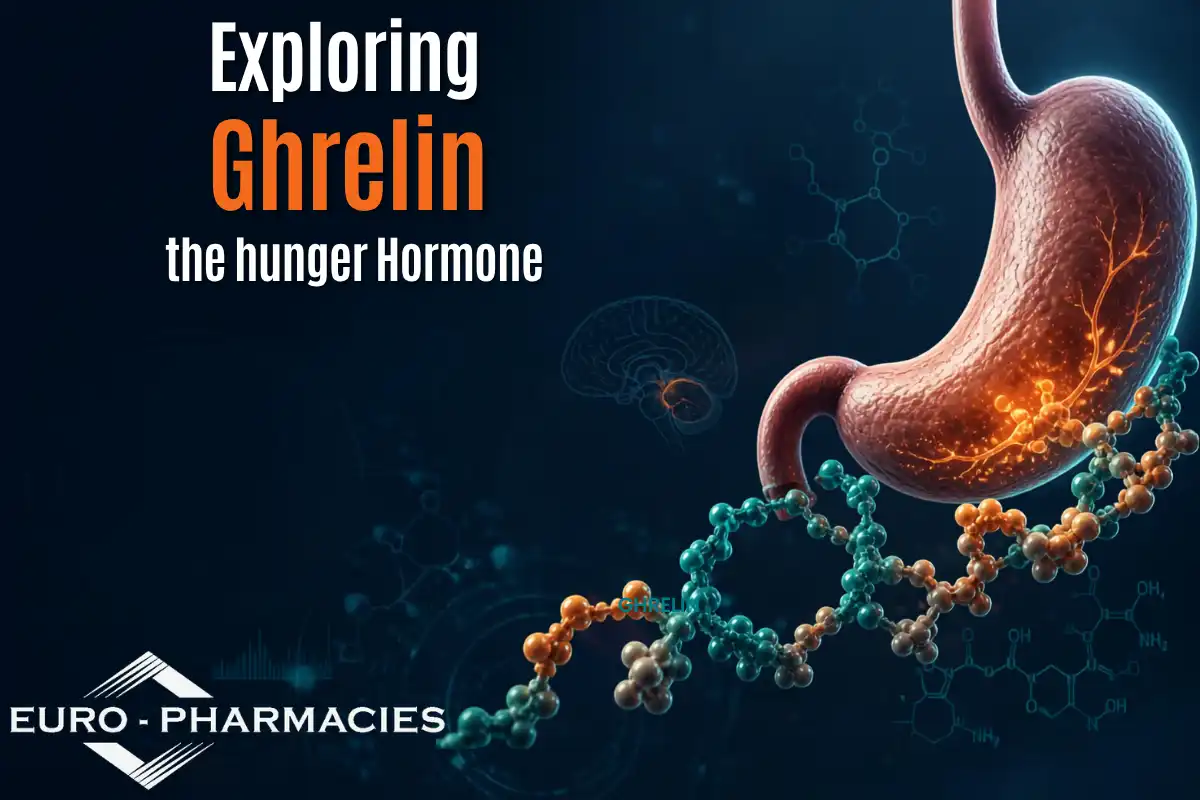
Ghrelin, often referred to as the “hunger hormone,” plays a pivotal role in regulating appetite and energy balance in the human body. Discovered in the late 1990s, this hormone is produced primarily in the stomach and signals the brain to induce feelings of hunger, thus influencing food intake and metabolism. However, the relationship between ghrelin and various physiological factors, particularly steroid hormones, is an emerging area of interest in both research and clinical practice. Understanding how steroids can affect ghrelin levels and, consequently, appetite regulation can provide valuable insights into weight management, metabolic disorders, and overall health. This article will explore the intricate dynamics of ghrelin, its biological functions, and its interactions with steroids, shedding light on its significance in nutrition and health.
Understanding Ghrelin: The Basics of the Hunger Hormone
Definition and Discovery of Ghrelin
Ghrelin, often dubbed the “hunger hormone,” is a 28-amino-acid peptide primarily produced in the stomach. Discovered in 1999, this little molecule has a big job: it signals your brain that it’s time to chow down. Think of it as your belly’s way of sending a text to your brain saying, “Hey, I’m hungry over here!” Ghrelin levels typically rise before meals and fall after eating, which is like a rollercoaster ride of appetite regulation—hold on tight!
Ghrelin’s Role in the Endocrine System
Ghrelin isn’t just a one-hit wonder; it plays a key role in the endocrine system, acting like a tiny messenger that influences various bodily functions. Beyond stirring up your appetite, it affects growth hormone release, regulates energy balance, and even has a hand in regulating sleep patterns. In short, this hormone is not only about fulfilling your midnight snack cravings but also keeps your body in harmonious rhythm.
The Biological Role of Ghrelin in Appetite Regulation
Mechanisms of Ghrelin Action in the Brain
Once ghrelin enters the bloodstream, it heads straight to the brain’s hypothalamus—think of it as the control center for hunger signals. Here, it binds to specific receptors, firing up neuron activity that triggers thoughts of food. It’s like flipping a switch from the “I’m fine” mode to the “Let’s feast!” mode. This process also involves neurotransmitters like neuropeptide Y and agouti-related peptide, making ghrelin the ultimate cheerleader for your next meal.
Factors Influencing Ghrelin Secretion
Ghrelin levels don’t just play by their own rules; they’re influenced by multiple factors. Stress, sleep deprivation, and diet can all raise ghrelin levels, making you feel hungrier than a bear in spring. On the flip side, eating regularly, managing stress, and getting a good night’s sleep can help keep ghrelin in check. So yes, sometimes it’s not just your willpower—it’s in the numbers (and hormones).
The Connection Between Ghrelin and Steroid Hormones
Overview of Steroid Hormones
Steroid hormones, like the Kardashians of the hormone world, have a flair for drama and an undeniable presence. Produced mostly by the adrenal glands and reproductive organs, these hormones, including cortisol, testosterone, and estrogen, play critical roles in stress response, metabolism, and reproductive functions. Just as every family has its quirky members, so do steroid hormones interact with ghrelin in a complicated hormonal dance.
Interactions Between Ghrelin and Cortisol
Cortisol, often referred to as the stress hormone, has a complicated relationship with ghrelin. When cortisol levels rise in response to stress, they can increase ghrelin secretion, leading to heightened hunger. It’s like a vicious cycle where stress makes you hungry, and being hungry can lead to more stress. So, the next time you reach for a snack during a hectic day, remember: it might be your hormones asking for a little TLC (Tasty Little Comfort).
How Steroids Influence Ghrelin Levels
Effects of Anabolic Steroids on Ghrelin
Anabolic steroids, the infamous performance boosters, can have a significant impact on ghrelin levels. Research suggests that these synthetic variations of testosterone might suppress ghrelin secretion. This means that while some may be pumping iron and feeling invincible, they might also find their hunger cues suppressed. It’s a mixed bag—gains without the grumbles!
Variations in Ghrelin Levels During Steroid Treatment
When it comes to steroid treatment, ghrelin levels can take you on quite the rollercoaster ride. Depending on the type of steroid and the individual’s body response, you could experience a spike or drop in ghrelin levels. This variability not only affects appetite but can also alter body composition. It’s like your body’s going through a hormonal makeover—sometimes fabulous, sometimes confusing!
Ghrelin’s Impact on Metabolism and Body Composition
The Role of Ghrelin in Energy Balance
Ghrelin, often dubbed the “hunger hormone,” plays a pivotal role in regulating our energy balance. When your stomach is empty, ghrelin levels rise, sending signals to your brain that it’s time to chow down. Think of it as your body’s personal food enthusiast, urging you to fuel up. Once you eat, ghrelin levels drop, helping signal satiety. This intricate dance between ghrelin and hunger is crucial; if ghrelin hangs around too long, it could throw your energy balance off-kilter, leading to overconsumption and potential weight gain. So, the next time you’re feeling those hunger pangs, remember it’s just ghrelin doing its job, not necessarily a lack of willpower.
Influence on Fat Storage and Muscle Mass
Ghrelin doesn’t just make you hungry; it also has a hand in how your body decides to store fat and build muscle. High ghrelin levels can promote fat accumulation by encouraging the storage of energy reserves, particularly in the form of visceral fat. On the flip side, it also has a role in muscle preservation. This duality can be a bit of a double-edged sword—while it may help keep your muscles intact in a calorie deficit, it might not play nice when you’re trying to shred fat. In essence, ghrelin’s influence can leave you feeling like you’re navigating a hormonal minefield when you’re trying to strike that perfect balance between building muscle and losing weight.
The Clinical Implications of Ghrelin and Steroid Interactions
Ghrelin in Obesity and Weight Management
In the world of weight management, ghrelin is an intriguing player. Individuals struggling with obesity often have altered ghrelin responses, which can lead to persistent feelings of hunger despite adequate calorie intake. This makes weight loss efforts a real test of patience and perseverance. Targeting ghrelin levels could offer new avenues for therapeutic strategies to help manage weight. By taming the hunger beast, we might just help people regain control over their eating habits and weight—because, let’s face it, no one wants to be at war with their own appetite.
Potential Therapeutic Uses in Steroid-Related Conditions
Steroids can have quite the reputation, but their interactions with ghrelin might open doors for therapeutic advancements. For patients using steroids, managing ghrelin levels could counteract some of the unwanted side effects, such as muscle wastage or weight gain. The potential for ghrelin-based treatments to mitigate these effects is exciting, as it suggests a way to harness this hormone’s power for recovery and improved health. The future could see ghrelin as the star of the show in helping people navigate the tricky waters of steroid therapies.
Future Research Directions: Ghrelin in Endocrine Disorders
Exploring Ghrelin’s Role in Diabetes
The relationship between ghrelin and diabetes is a budding field of research that promises intrigue and revelation. Ghrelin’s impact on insulin secretion and its potential role in glucose metabolism are just a couple of the questions scientists are eager to tackle. Understanding how ghrelin interacts with other hormones in diabetic patients could lead to innovative treatments and management strategies. It’s a bit like piecing together a puzzle where ghrelin may very well be the missing piece that completes the picture of diabetes treatment.
Investigating Ghrelin as a Biomarker
As researchers dig deeper into the complexities of hormonal interactions, ghrelin is emerging as a potential biomarker for various endocrine disorders. Since its levels fluctuate based on metabolic states and energy balance, tracking ghrelin could provide valuable insights into a person’s metabolic health. The idea of using ghrelin as a simple blood test to predict or manage metabolic conditions is tantalizing. Who knew that this hunger hormone could also be a harbinger of health, giving us a glimpse into our body’s inner workings?
Conclusion: The Importance of Ghrelin in Health and Nutrition
Summary of Key Findings
In summary, ghrelin is much more than just a hunger signal; it’s a multifaceted hormone that influences metabolism, body composition, and a host of clinical conditions. Its intricate involvement in energy balance, fat storage, and muscle mass makes it a key player in understanding obesity and weight management. Moreover, its potential therapeutic applications in steroid-related conditions and endocrine disorders highlight its significance as a biomarker and treatment target.
Implications for Diet and Lifestyle Choices
Recognizing the role of ghrelin can pave the way for more informed dietary and lifestyle choices. By understanding when and why ghrelin surges, individuals can better tailor their eating patterns to support healthy metabolism and weight management. So, the next time you hear your stomach growl, maybe don’t blame it solely on a lack of self-control. It’s just ghrelin reminding you to grab a snack—preferably one that’s healthy and worthy of its attention!
In summary, ghrelin serves as a crucial component in the complex network of appetite regulation and energy balance, with significant implications for health and nutrition. Its interaction with steroid hormones adds another layer of complexity, influencing everything from metabolic processes to weight management strategies.
As research continues to uncover the nuances of ghrelin’s role in the body, understanding its relationship with steroids may offer new avenues for addressing obesity and metabolic disorders, ultimately enhancing our approach to health and well-being.
Frequently Asked Questions
What is ghrelin, and what role does it play in the body?
Ghrelin is a hormone produced mainly in the stomach that signals hunger to the brain, playing a vital role in appetite regulation and energy balance.
How do steroids affect ghrelin levels?
Steroids can influence ghrelin levels in various ways, with some anabolic steroids potentially increasing ghrelin secretion, while corticosteroids may alter its appetite-regulating effects.
Can ghrelin levels be targeted for weight management?
Yes, understanding and potentially modulating ghrelin levels could provide new strategies for weight management and obesity treatment, offering insights into how appetite and metabolism can be managed.
Are there any health conditions associated with abnormal ghrelin levels?
Yes, abnormal ghrelin levels have been linked to various conditions, including obesity, anorexia, and metabolic disorders, making it a significant focus of research in endocrinology.
Team EP