
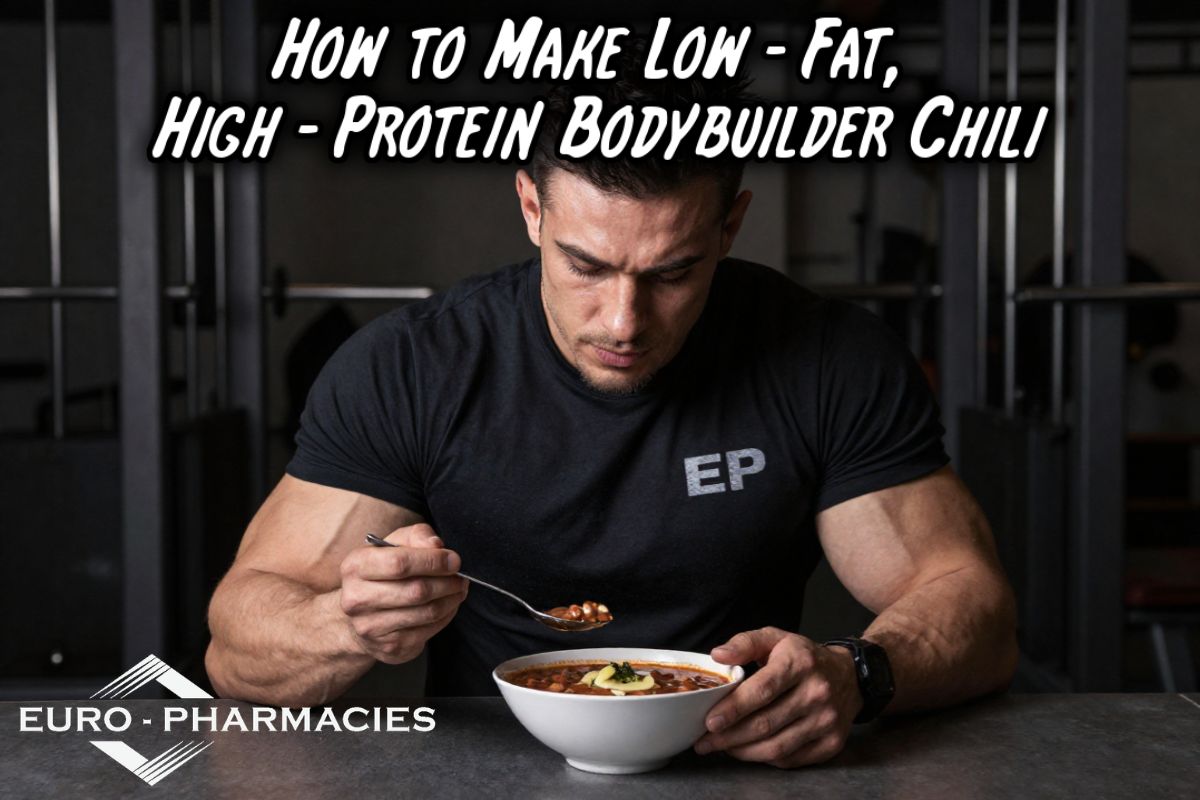
Chili is a beloved dish known for its heartiness and rich flavors, making it a favorite among many, especially bodybuilders looking to fuel their workouts. However, traditional chili recipes can often be high in fat and calories, which may not align with specific dietary goals. This article will guide you through creating a low-fat, high-protein bodybuilder chili that satisfies your cravings while supporting your fitness journey. Packed with nutritious ingredients and bold flavors, this chili will not only nourish your body but also delight your taste buds, making it a perfect meal for any occasion.
Understanding the Benefits of Low-Fat, High-Protein Chili
Why Choose Low-Fat Options?
Low-fat options are your best friend when trying to pack on muscle while keeping that waistline in check. With lower fat content, you can enjoy hearty servings without the guilt, saving precious calories for post-gym protein shakes or that extra slice of pizza on cheat day. Plus, low-fat meals are generally easier on the digestive system—no one wants a food coma before leg day!
The Importance of Protein for Bodybuilders
Protein is the building block of muscle, and for bodybuilders, it’s like oxygen for a fire—absolutely essential. High-protein dishes help repair and build muscle tissues after those grueling workouts. With a good source of protein in chili, you’ll be fueling those gains while keeping your taste buds happy. So whether you’re bicep curling or squat testing, a bowl of chili is a delicious way to slip in that muscle fuel.
Health Benefits of Chili Ingredients
Chili is not just a pretty face; it’s a nutritional heavyweight! Packed with antioxidants from tomatoes and bell peppers, and fiber from beans, each ingredient brings something to the table (literally). Moreover, spices like cumin and chili powder may boost metabolism, while garlic has been linked to heart health. So, you can feel good knowing that every bite is doing more than just filling you up—it’s also filling you with goodness!
Essential Ingredients for Bodybuilder Chili
Protein Sources: Lean Meats and Alternatives
When it comes to protein sources, think lean meats like turkey or chicken breast; they’re like the superheroes of the chili world. And don’t forget about plant-based options! Lentils, black beans, or chickpeas can pack a protein punch without the extra fat. Make sure your chili is bursting with muscle-building goodness!
Vegetables: Adding Nutrients and Fiber
Veggies are the unsung heroes of chili, sneaking in vitamins and fiber like it’s their job (which, spoiler alert, it is). Bell peppers, onions, and zucchini not only add texture but also boost the nutrient profile. Fiber helps with digestion and keeps you feeling fuller longer. So load up your pot with colorful veggies—your body and taste buds will thank you!
Spices and Seasonings for Flavor
What’s chili without a kick?
Spices are the real MVPs here, transforming your basic ingredients into a flavor fiesta. Cumin, paprika, and chili powder will take your dish from bland to grand with just a sprinkle. Don’t be shy—experiment with different spice levels to find your chili comfort zone; after all, we want flavor fireworks, not fire alarms!
Step-by-Step Recipe for Low-Fat, High-Protein Chili
Preparation: Chopping and Prepping Ingredients
Before you even think about heating things up, let’s get chopping! Dice your onions, peppers, and any other delightful veggies you’ve chosen to bless your chili with. Rinse those beans if you’re using canned ones. Prep work is key—like a solid warm-up before a workout. Remember, a well-prepped chef is a happy chef!
Cooking Methods: Stovetop vs. Slow Cooker
Now it’s showtime! You can either go the stovetop route or embrace your inner slow-cooker wizard. Using the stovetop is perfect for a quick and satisfying meal. Just sauté your veggies, brown your meat (or fake meat), and toss everything in a pot to simmer. If you’re slow cooking, combine all the ingredients and let it bubble away for several hours—perfect for those lazy days when you want chili without lifting a finger!
Final Steps: Simmering to Perfection
Once everything is in the pot, it’s time to let those flavors meld together. Give it a good stir, cover it up, and let it simmer until everything is tender and oh-so-delicious. Taste-test along the way—just keep a spoon handy for quality control. When your chili is rich and aromatic, it’s ready to make its debut on your dinner table!
Tips for Enhancing Flavor Without Extra Fat
Using Herbs and Spices Effectively
Herbs and spices are like the secret weapons in your kitchen arsenal. Fresh herbs (like cilantro or parsley) can add a punchy freshness that fat simply can’t compete with. Plus, when you elevate flavors with spices, you can skip the fat without sacrificing taste. Remember, a little sprinkle can go a long way!
Incorporating Acid for Brightness
Adding a splash of acid—think lime juice or even a dollop of salsa—can brighten up any dish. Acid balances richness and adds a zesty contrast that keeps your taste buds guessing. So, don’t forget that citrus squeeze at the end; it’ll take your chili to flavor town!
Textures: Balancing Ingredients for Mouthfeel
When building your chili, think about texture! You want a lovely balance of creamy, crunchy, and hearty elements. A combination of beans, chunky veggies, and the right amount of broth can make all the difference. Nobody likes a soggy chili, so keep it varied for a mouthful that’s bursting with personality!Nutritional Analysis: Protein and Fat Content
Calculating Macronutrients per Serving
To keep your gains while cutting the fat, let’s break down the macronutrients in our low-fat, high-protein chili. A standard serving (about 1 cup) typically packs around 30 grams of protein and only 5 grams of fat, depending on the ingredients you choose. You can amp up that protein with lean meats or plant-based sources, while opting for low-fat beans and plenty of veggies helps trim the fat. So, when you’re done eating, your muscles will thank you rather than roll their eyes!
Comparing Traditional vs. Low-Fat Chili
Traditional chili can be a sneaky calorie bomb, often hiding upwards of 20 grams of fat per serving, thanks to fatty meats and cheese. In contrast, our low-fat version keeps the hearty flavors while slashing the fat content drastically. By swapping out ground beef for lean turkey or chicken and skipping any fatty toppings, you can enjoy a big bowl of chili without any guilt—your waistline and heart will be a bit more cheerful!
Variations for Different Dietary Needs
Vegetarian and Vegan Options
No meat, no problem! For a banging vegetarian or vegan chili, swap in black beans, lentils, or even quinoa to boost that protein. Add a mix of colorful veggies like bell peppers, zucchini, and corn to keep it hearty and satisfying. Season generously and your taste buds will thank you for this plant-based fiesta!
Gluten-Free Ingredients
Going gluten-free? You can still enjoy a fabulous chili! Most ingredients are naturally gluten-free, but watch out for sauces or canned goods that might sneak in some gluten. Stick to gluten-free broth, and rely on spices and fresh ingredients to create a robust flavor. It’s just as delicious, minus the gluten guilt!
Adjusting Spice Levels for Different Palates
Have a sensitive tongue or like to bring the heat? Customize your chili by adjusting the spice levels. Start with mild chili powder, and for those who crave fire, add diced jalapeños or a dash of cayenne pepper. You can always add more spice, but good luck cooling it down once it’s in! So, measure cautiously, spice warriors!
Meal Prep and Storage Tips
Batch Cooking for Convenience
Chili is the ultimate meal prep superstar! Make a big batch on the weekend, and you’ll have meals ready for the week ahead. Just whip up a double or triple recipe, and you’ll enjoy that chili goodness without the hassle of cooking every night—because who has time for that during a busy week (or a Netflix binge)?
Storage Solutions: Freezing and Refrigerating
Once your chili is all cooked up, let it cool down before transferring it to airtight containers. Chili keeps well in the fridge for about 4-5 days, but for extra longevity, freeze portions in labeled freezer bags or containers. They can last for months, so when you’re in a pinch for dinner, just defrost and reheat for a warm, protein-packed meal!
Serving Suggestions and Pairings for Your Chili
Complementary Side Dishes
Chili is a meal all on its own, but pairing it with a few sides can take it to the next level. Consider serving it with a side of cornbread or a fresh green salad. Want to keep it light? Pair with some crunchy veggie sticks and hummus for a satisfying crunch alongside your hearty chili.
Garnishes That Enhance the Dish
Elevate your chili with some fun garnishes! A dollop of Greek yogurt or avocado adds creaminess and healthy fats, while fresh cilantro or scallions add a refreshing twist. Cheese lovers can sprinkle a little low-fat cheese on top—just enough to melt slightly, and voilà, instant upgrade!
Creative Ways to Serve Chili
Get imaginative with your chili presentations! Serve it in hollowed-out bell peppers for a fun twist, or create a chili bar with various toppings like jalapeños, olives, and crushed tortilla chips. You can even layer chili with rice or quinoa in jars for a trendy meal prep option that’s as delicious as it is Instagrammable!In conclusion, making a low-fat, high-protein bodybuilder chili is not only achievable but also a rewarding endeavor that can enhance your nutrition and support your fitness goals. With the right ingredients and a few simple steps, you can create a delicious and satisfying meal that fits perfectly into your healthy lifestyle. Whether enjoyed on its own or paired with complementary sides, this chili is sure to become a staple in your meal prep routine. So gather your ingredients, follow the recipe, and indulge in a bowl of chili that fuels both your body and your passion for fitness.
Frequently Asked Questions
Can I customize the recipe to suit my taste preferences?
Absolutely! You can adjust the spices, vegetables, and protein sources to match your personal preferences. Feel free to experiment with different flavors and ingredients to create your perfect chili.
How can I increase the protein content even further?
You can boost the protein content by adding ingredients such as beans, lentils, or even protein powder. Additionally, using lean meats like turkey or chicken breast can enhance the protein while keeping the fat low.
How long does the chili last in the refrigerator or freezer?
When stored in an airtight container, the chili can last up to 5 days in the refrigerator. If you freeze it, it can be kept for up to 3 months. Just be sure to thaw it properly before reheating.
Is this chili suitable for meal prep?
Yes, this low-fat, high-protein chili is perfect for meal prep! It can be easily portioned into individual servings and stored in the refrigerator or freezer for convenient meals throughout the week.
Team EP