
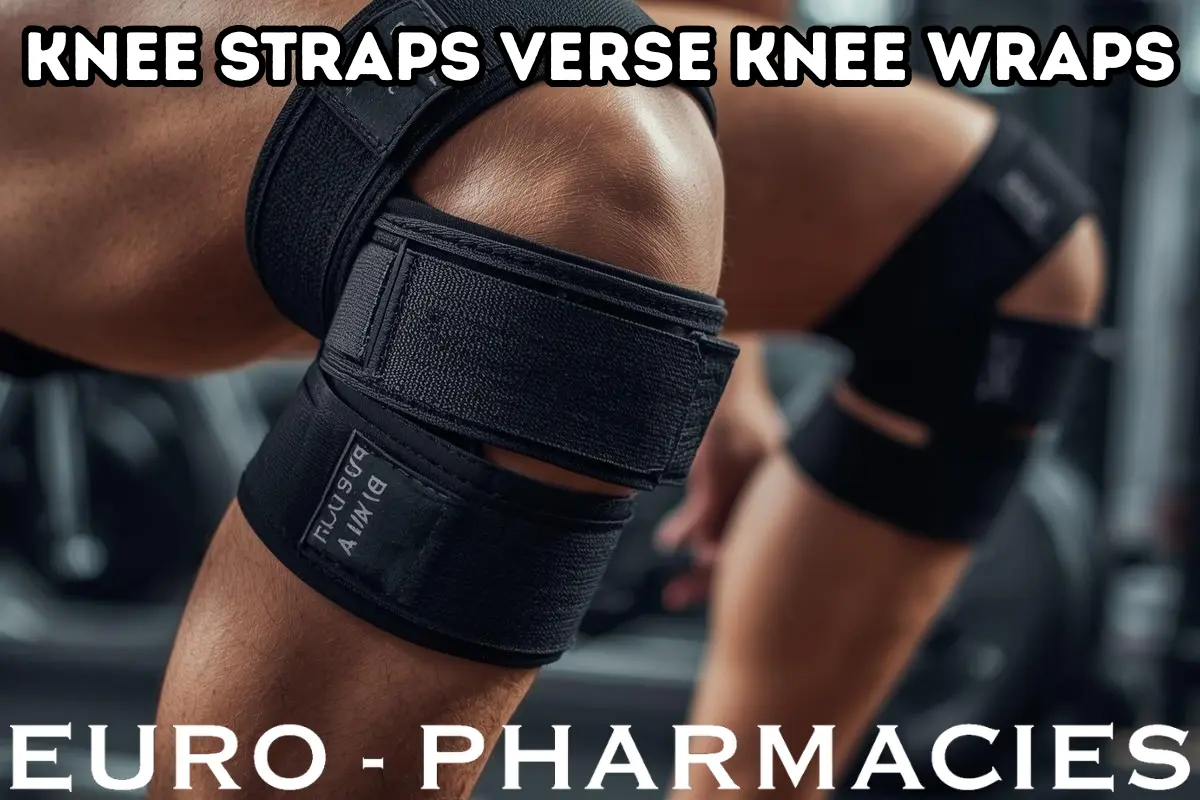
When it comes to optimizing performance and preventing injury during training, athletes often find themselves weighing the benefits of knee wraps versus knee sleeves. Both of these popular accessories serve distinct purposes, but understanding their differences can greatly influence workout outcomes. Knee wraps are designed to provide maximum support for heavy lifting, while knee sleeves offer flexibility and warmth for a range of exercises. In this article, we’ll explore the characteristics, advantages, and disadvantages of each option to help you make an informed decision tailored to your training needs. Whether you’re a seasoned lifter or a beginner, the right choice can enhance your performance and safeguard your knees.Choosing the right training support gear is essential for long-term joint health and performance, which is why athletes rely on trusted fitness resources available at Euro-Pharmacies.
Understanding Knee Wraps vs Knee Sleeves: An Overview
What Are Knee Wraps?
Knee wraps are elastic or fabric wraps that you snugly wrap around your knees, often used in powerlifting and heavy weight training. Think of them as your best friends during those squat PR attempts; they provide extra support and help you feel like you can lift a small car! They are typically stiffer and offer more compression by providing a tight fit, which can aid in lifting heavier weights.
What Are Knee Sleeves?
Knee sleeves, on the other hand, are made from a stretchy material (usually neoprene) that slides over your knees like a second skin. While they don’t have the hard-hitting support of wraps, they offer gentle compression and can keep your knees warm and cozy. Picture them as a warm hug for your joints—ideal for a variety of workouts without the extra bulk of wraps.
Key Differences Between Knee Wraps and Knee Sleeves
Material Composition
Knee wraps are typically made from elastic, giving them a firm hold and the ability to stretch significantly under pressure (perfect for that last squat rep). Knee sleeves, however, are constructed from neoprene or similar materials, giving them a more flexible and padded feel while providing moderate compression. It’s like comparing a superhero’s cape (wraps) to a comfy pair of pajamas (sleeves)—both are great, but serve different purposes!
Support Level
If you’re looking for maximum support, knee wraps are your go-to. They deliver serious structural support, which is especially useful for heavy lifting or activities demanding high stability. Knee sleeves, while supportive, focus more on providing warmth and slight compression—a great option for general workouts, but not as intense as their wrap counterparts.
Intended Use and Situations
Knee wraps shine during maximal lifts and powerlifting competitions where every ounce of support counts. They excel in movements like squats and heavy deadlifts. Conversely, knee sleeves are versatile and perfect for a range of activities, from weightlifting to running and everything in between. Think of them as the all-rounders of knee support—they can handle just about anything!
Benefits of Knee Wraps for Training
Enhanced Stability and Support
Knee wraps provide unparalleled stability, acting like a safety net for your knees during those heavy lifts. With added support, they help prevent knee wobbling and keep your form intact. It’s like having a personal safety coach that says, “I got your back (or knees)!” during those grueling sets.
Improved Performance in Heavy Lifts
Want to push your limits? Knee wraps can help. The increased stability they provide allows many lifters to lift heavier loads than they could without them. You might just surprise yourself and discover your inner Hulk when you realize how much more weight you can push!
Common Misconceptions
A common myth surrounding knee wraps is that they can cause injury by completely immobilizing the knee. In reality, they’re designed to support and stabilize, not restrict. When used correctly, they can actually aid in injury prevention. Remember, with great wraps comes great responsibility—use them wisely!
Advantages of Knee Sleeves During Workouts
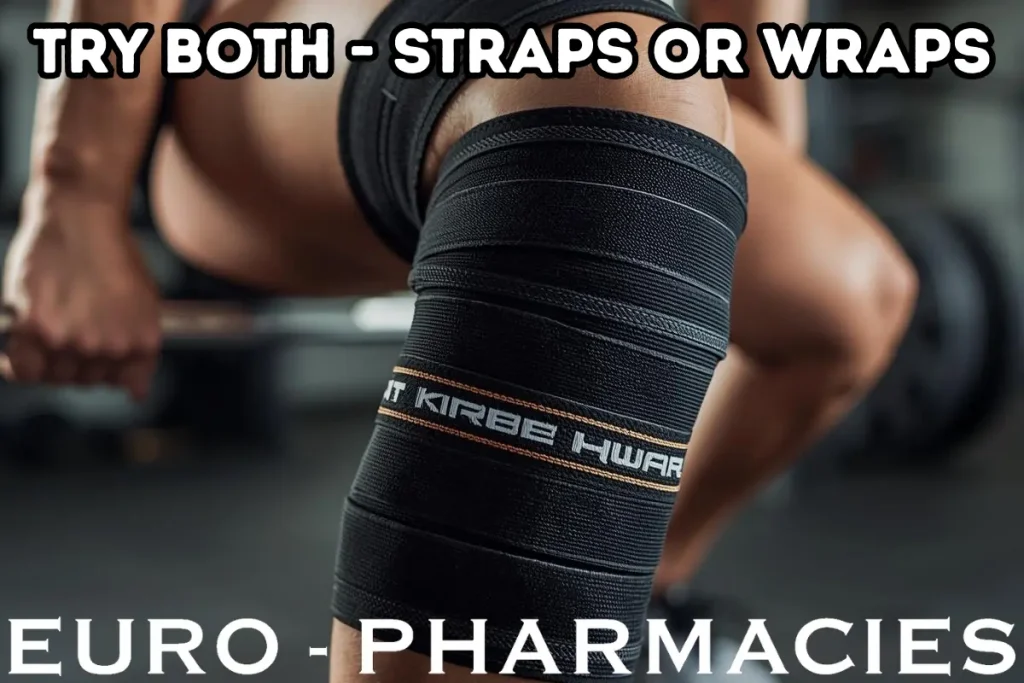
Increased Warmth and Flow
Knee sleeves offer a lovely side benefit: they keep your joints warm. This warmth can help increase blood flow, leading to better performance and reduced injury risks. Plus, no one wants cold knees during a workout—talk about a motivation killer!
Versatility Across Different Exercises
Knee sleeves are the Swiss Army knife of knee support. From squats to lunges to cross-training, they adapt well to a vast range of exercises. Since they’re less bulky than wraps, you can easily transition between different movements without feeling like a T-Rex trying to lift.
Comfort and Convenience
Knee sleeves are generally easier to put on and take off than wraps, making them the convenient choice for those who enjoy a quick change of gear between sets. They’re comfortable enough to wear throughout your workout, and they won’t have you questioning your life choices halfway through a set. Who doesn’t appreciate a little comfort on leg day?
Factors to Consider When Choosing Between Wraps and Sleeves
Type of Training and Goals
When it comes to choosing between knee wraps and knee sleeves, the first thing to consider is what exactly you’re training for. If you’re a powerlifter trying to push some serious weight, knee wraps might just become your new BFF. They provide that extra support and stability for heavy squats, allowing you to lift more without feeling like your knees are going to call it quits. On the flip side, if you’re hitting the gym for functional training or looking to increase endurance, knee sleeves offer a snug fit that can keep your joints warm while providing mild compression. So, are you lifting like Thor or just looking to get through your workout without collapsing? Choose wisely!
Personal Comfort and Fit
No one wants to spend their lifting session adjusting their knee gear like they’re preparing for an awkward first date. Comfort and fit are paramount! Knee sleeves tend to have a more snug, sock-like feel, which many find comfortable for longer workouts. They shouldn’t constrict so much that you feel like you’re about to transform into a human pretzel, though. Knee wraps, on the other hand, are more customizable in how tight you go. Just remember: if you’re wrapping your knees tighter than a burrito, you might want to reconsider. Find what feels good for you—because if it’s not comfy, you’ll spend more time shifting and readjusting than actually lifting!
Injury History and Prevention
If you’ve had more knee injuries than you have positive training stories, it’s essential to consider your history when choosing between wraps and sleeves. Knee sleeves are often recommended for those recovering from minor injuries or looking for a bit of extra support during their workouts. The gentle compression helps with blood flow and can even ease pain. Knee wraps, while offering greater support, can sometimes mask pain, which isn’t always a good thing—like applying a band-aid to a broken leg. If you’ve previously suffered from severe knee issues, consult with a healthcare professional to determine which option is best for keeping you supported and injury-free.
Popular Brands and Models: A Comparison
Top Recommended Knee Wraps
When it comes to knee wraps, a few brands really stand out like a neon sign at a dive bar. Titan is often at the top of the list with their highly-rated “Titan HD” wraps that offer a sturdy, supportive feel without compromising flexibility. Another favorite is the “SABO” wraps, known for their durability and ability to handle heavy lifting. If you’re looking for a budget-friendly option, Rogue’s wraps won’t break the bank and still provide solid support. Just remember: when your wraps can lift as much as you can, you’ve found a winner!
Best Knee Sleeves on the Market
Knee sleeves are a different beast altogether but definitely worth some love.
“Rehband 7751” sleeves are a top choice, renowned for their comfort and warmth—perfect for those chilly gym sessions! Then we have the “Nordic Lifting” sleeves, which give you that perfect blend of support and mobility, all while being budget-friendly. And if you’re looking to pamper your knees a bit more, “Bear KompleX” sleeves are like the luxury sedan of knee support—stylish and effective. Choose wisely, because your knees will thank you later!
Expert Opinions and Research Findings
Interviews with Trainers and Athletes
We reached out to some trainers and athletes who clearly have their knees in the game. The consensus? Most lean towards knee sleeves for day-to-day training, especially for dynamic movements like sprinting or agility drills. However, when it comes to competition days, knee wraps make an appearance for those seeking that extra support for maximal lifts. One powerlifter shared that wraps are like having a trusted friend spot you—always there when you need a boost. So, your choice might just boil down to what suits your specific routine and whether you’re in the gym or on stage!
Scientific Studies on Effectiveness
Research on knee support gear has shown varying results. A study published in the Journal of Sports Science found that knee sleeves can significantly increase proprioception (that’s your body’s way of knowing where it is in space) and reduce perceived knee pain during squats. On the other hand, a study on knee wraps highlighted increased performance in maximal lifts, but raises concerns about dependence on that support. So, the bottom line? Both wraps and sleeves have their merits, but understanding how they impact your body is key to making a choice that works for you.
Conclusion: Making the Right Choice for Your Training Needs
Summary of Key Points
Choosing between knee wraps and sleeves can feel like deciding between fries or salad—both have their benefits, but it all depends on what you’re after. Wraps provide serious support for heavy lifting, while sleeves offer comfort and mild support for everyday workouts. Consider your training goals, comfort, and any injury history when making this decision.
Final Recommendations
In the end, the best choice is the one that aids your trathose wraps! But if you’re more about that versatile training life, sleeves might be your thing. Remember: listen to your body, do a little research, and don’t be afraid to switch it up as your needs evolve. Happy lifting!In conclusion, both knee wraps and knee sleeves have their unique benefits and serve different purposes in training. Your choice ultimately depends on your specific needs, training goals, and personal preferences. By considering the factors discussed in this article, you can select the option that best supports your workouts and helps you reach your fitness objectives. Remember, the right gear can make a ining while keeping you comfortable and secure. If you’re lifting heavy like it’s second nature, grab significant difference in your performance and overall experience, so take the time to find what works best for you.
FAQ
1. Can I use knee wraps and knee sleeves together?
Yes, many athletes choose to wear knee sleeves for warmth and support during their workouts and then add knee wraps for heavy lifts. However, it’s essential to ensure that both fit comfortably and do not restrict movement.
2. How do I determine the right size for knee wraps or knee sleeves?
To find the correct size, refer to the manufacturer’s sizing chart, which typically requires measurements of your knee circumference. It’s crucial to ensure a snug fit without being overly tight.
3. Are knee wraps or knee sleeves better for injury prevention?
Knee sleeves are generally more effective for injury prevention due to their ability to provide warmth and compression. Knee wraps, while supportive, are more often used for enhancing performance during heavy lifts.
4. How often should I replace my knee wraps or knee sleeves?
The lifespan of knee wraps and sleeves can vary based on usage and care. Typically, you should replace them if you notice any signs of wear, reduced elasticity, or if they no longer provide adequate support. Regular inspection is key to ensuring they remain effective.
Team EP