
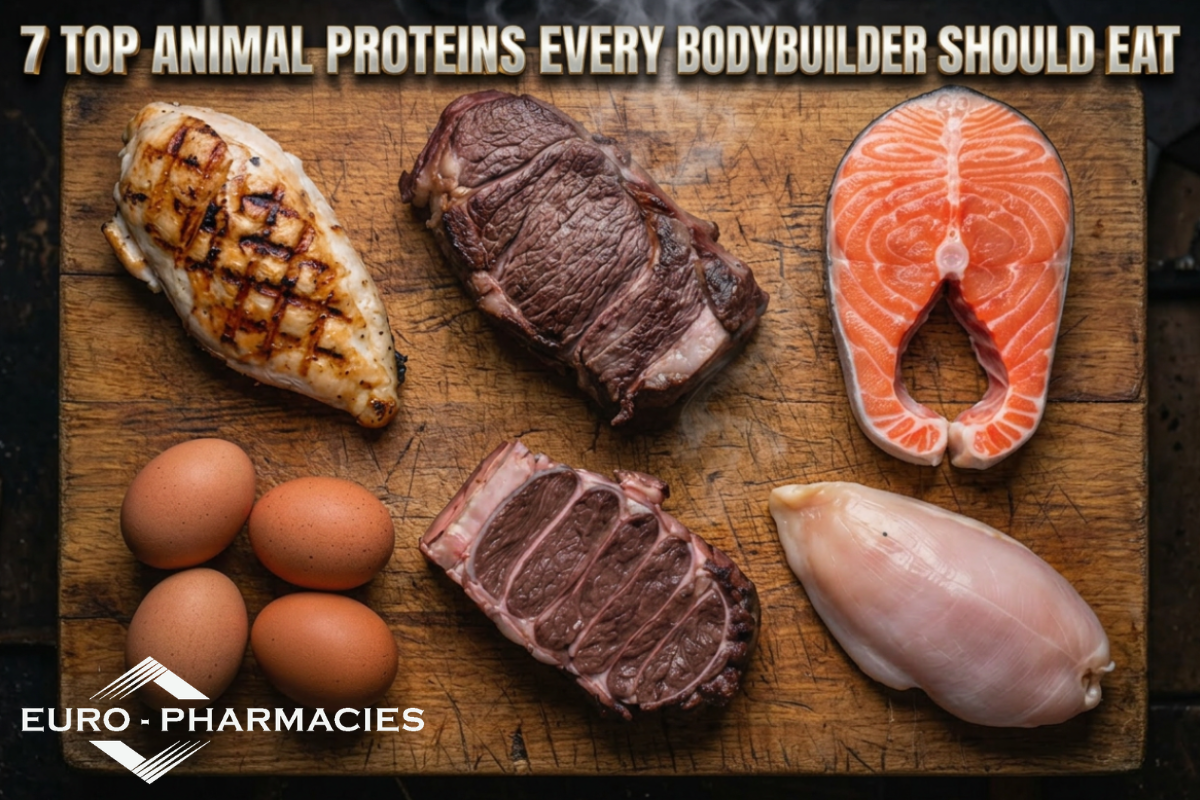
For bodybuilders, protein is an essential macronutrient that plays a crucial role in muscle repair and growth. While there are many sources of protein available, certain animal proteins stand out for their superior nutritional profiles and benefits. In this article, we’ll explore seven top animal proteins that every bodybuilder should include in their diet. From lean poultry to nutrient-rich dairy, these options not only provide the necessary protein but also deliver essential vitamins and minerals to support overall health and fitness goals. Whether you’re meal prepping or looking to diversify your protein sources, these animal proteins will help you build the muscle and strength you desire.
The Importance of Protein in Bodybuilding
Understanding Protein’s Role in Muscle Growth
Protein is the kingpin of muscle growth. When you lift weights, tiny tears form in your muscle fibers—a bit like a workout for your muscles’ personal trainers. Protein swoops in to repair these fibers, allowing them to grow back stronger and bigger. It’s essentially your body’s way of saying, “Thanks for the workout; let’s bulk up!” Plus, protein can boost your metabolism, making those post-lift pizza slices slightly less guilt-inducing.
Daily Protein Requirements for Bodybuilders
So, how much protein do bodybuilders actually need? The general guideline floats around 1.6 to 2.2 grams of protein per kilogram of body weight. That’s about 0.7 to 1 gram per pound for those of us who prefer simpler math. If you weigh 180 pounds, get ready to chow down on 126 to 180 grams of protein daily. This means you’ll be keeping a vigilant eye on those chicken and beef portions—and possibly befriending a few protein shakes along the way.
Chicken: The Lean Muscle Builder
Nutritional Profile of Chicken
If you’ve ever walked into a gym, you’ve likely seen chicken reigning supreme on bodybuilders’ plates. Skinless chicken breast contains about 31 grams of protein per 100 grams, with minimal fat—making it the poster child for lean muscle building. Throw in some B vitamins and selenium, and you’ve got yourself a nutritional powerhouse. Just remember, while chicken is the dependable buddy, it doesn’t hurt to mix it up to keep your meals exciting!
Cooking Methods for Optimal Health
Let’s face it, chicken can be as bland as a Tuesday. To spice things up while keeping health in check, opt for grilling, baking, or stir-frying with a splash of olive oil and your favorite herbs. Steer clear of deep-frying unless you want to add a side of regret to your plate. And don’t forget about marinades! A good seasoning can turn your chicken from “meh” to “marvelous” in minutes.
Turkey: A High-Protein Alternative
Benefits of Turkey over Other Meats
Turkey is like chicken’s cooler cousin—rich in protein but with a bit of a twist! It packs around 29 grams of protein per 100 grams, and it’s slightly lower in calories than beef. Plus, turkey is chock-full of tryptophan, which isn’t just for post-Thanksgiving naps; it can promote muscle recovery too! Bonus: The variety in flavors and textures makes turkey a delicious option to break the chicken monotony while still feeding your muscle-building needs.
Incorporating Turkey into Your Diet
Think beyond Thanksgiving! Ground turkey can be a fantastic swap in burgers, tacos, or meatballs. Roast a whole turkey for a feast, or slice leftover turkey for salads and sandwiches throughout the week. The options are as endless as your post-workout appetite. Just maybe skip the turkey-flavored protein supplement—unless you’re feeling adventurous!
Beef: Nutrient-Dense for Strength
Lean Cuts vs. Fatty Cuts: What to Choose
When it comes to beef, you’ve got a menu of choices! Lean cuts like sirloin, tenderloin, or flank steak are your go-to options for muscle building without the extra fat. They offer about 25 grams of protein per 100 grams and are packed with essential vitamins and minerals. On the other hand, fatty cuts, while delicious, come with more calories—so they might fit in best on cheat days rather than everyday meals. Find your balance like a seasoned tightrope walker!
Iron and Creatine in Beef
Beef isn’t just a pretty face in the protein world; it’s loaded with iron and creatine, two vital nutrients for bodybuilders. Iron helps transport oxygen in your blood, which is crucial when you’re pushing those weights, while creatine boosts energy and performance during high-intensity workouts. So, while chicken and turkey may be the lean favorites, don’t forget to let beef strut its stuff in your diet. A well-rounded protein plan is as essential as leg day!Fish: Omega-3s and Muscle Recovery
Types of Fish Beneficial for Bodybuilders
When it comes to fish, not all are created equal in the protein department. Salmon, tuna, and mackerel are the rock stars of the sea, boasting high protein content along with a hefty serving of heart-healthy omega-3 fatty acids. These fatty friends not only help with muscle recovery but also decrease inflammation, helping you bounce back quicker from those grueling gym sessions. And don’t forget about white fish like cod and tilapia; they’re lean, mean muscle-building machines!
Preparing Fish for Maximum Nutritional Benefits
To ensure you’re getting all the omega-3 goodness and protein, cooking methods matter. Grilling, broiling, or steaming your fish are the top choices, allowing you to keep those precious nutrients intact. Steer clear of deep frying; unless you’re training to lift a frying pan, it’s not the way to go. Pair your fish with some veggies for a colorful plate—your body and taste buds will thank you!
Eggs: The Complete Protein Source
Whole Eggs vs. Egg Whites: Which is Better?
The eternal debate: whole eggs or egg whites? Whole eggs pack a nutritional punch, offering a complete protein source along with vitamins A, D, and B12—plus, they’re delicious! Egg whites, on the other hand, are lower in calories and fat, making them a go-to for those looking to cut fat while racking up protein intake. So, what’s the verdict? Why not enjoy both? Go for a mix if you want to enjoy the best of both yolks!
Creative Ways to Incorporate Eggs into Meals
Bored with the classic scramble? Spice things up by whipping up a frittata loaded with veggies and cheese, or toss some hard-boiled eggs into your salad for that protein kick. For a breakfast treat, try egg muffins—whisk, pour into a muffin tin, and bake! These little guys can be made ahead and taken on the go. Who knew eggs could be so versatile in the meal game?
Greek Yogurt: Versatile and Nutrient-Rich
Health Benefits Beyond Protein
Greek yogurt isn’t just another pretty face in the dairy aisle; it’s a powerhouse of protein! With nearly double the protein of regular yogurt, it’s a fantastic option for muscle recovery. Plus, it’s rich in probiotics, which are good for your gut health. A happy gut means more efficient nutrient absorption—so your body gets all those gains you’re working hard for.
Using Greek Yogurt in Smoothies and Recipes
Incorporating Greek yogurt into your meals is as easy as pie (well, easier, actually). Toss a scoop into your morning smoothie for a creamy texture and protein boost. You can also use it as a base for sauces or salad dressings, or mix it with fruits and nuts for a delicious snack. Bonus points: it makes an excellent substitute for sour cream in recipes, turning your tacos into a protein-packed fiesta!
Cottage Cheese: Slow-Digesting Protein for Overnight Gains
The Case for Casein: Benefits of Cottage Cheese
Cottage cheese is the underdog of the protein world, but it deserves a spot in your muscle-building diet. Packed with casein protein, which digests slowly, it’s perfect for providing your muscles with a steady supply of amino acids while you snooze. This slow release can help with muscle repair, making it an ideal choice before bedtime. Talk about sweet dreams!
Creative Serving Ideas for Cottage Cheese
Bored of just eating it from the tub? Fear not! Cottage cheese can be jazzed up in so many ways. Top it with fresh fruits, honey, or nuts for a sweet snack, or mix it with herbs and spices to create a savory dip. You can even throw it into pancakes or smoothies to sneak in some extra protein. The possibilities are endless—just think of it as a blank canvas for your culinary artistry!Incorporating these seven animal proteins into your diet can significantly enhance your bodybuilding journey by providing the necessary nutrients for muscle growth and recovery. By diversifying your protein sources, not only do you ensure adequate intake, but you also enjoy a range of flavors and culinary possibilities. Remember to balance your protein consumption with other macronutrients and stay consistent in your training regimen. With the right dietary choices, you’ll be well on your way to achieving your fitness goals.
Frequently Asked Questions
1. How much protein should a bodybuilder consume daily?
The recommended protein intake for bodybuilders typically ranges from 1.2 to 2.2 grams of protein per kilogram of body weight, depending on individual goals and training intensity.
2. Can I get enough protein from plant sources instead of animal proteins?
While plant sources can provide protein, they may lack certain essential amino acids found in animal proteins. It’s best to combine various plant proteins or consider animal sources to meet your complete protein needs.
3. Are there any health risks associated with eating too much animal protein?
Excessive consumption of animal protein can lead to health issues such as kidney strain, increased heart disease risk, and certain cancers. It’s important to maintain a balanced diet and consult with a healthcare professional if you have concerns.
4. What are some easy ways to incorporate these proteins into my meals?
You can easily incorporate these proteins by meal prepping with grilled chicken or turkey, adding fish to salads, including eggs in breakfast dishes, or using Greek yogurt and cottage cheese in smoothies or snacks.
Team EP