
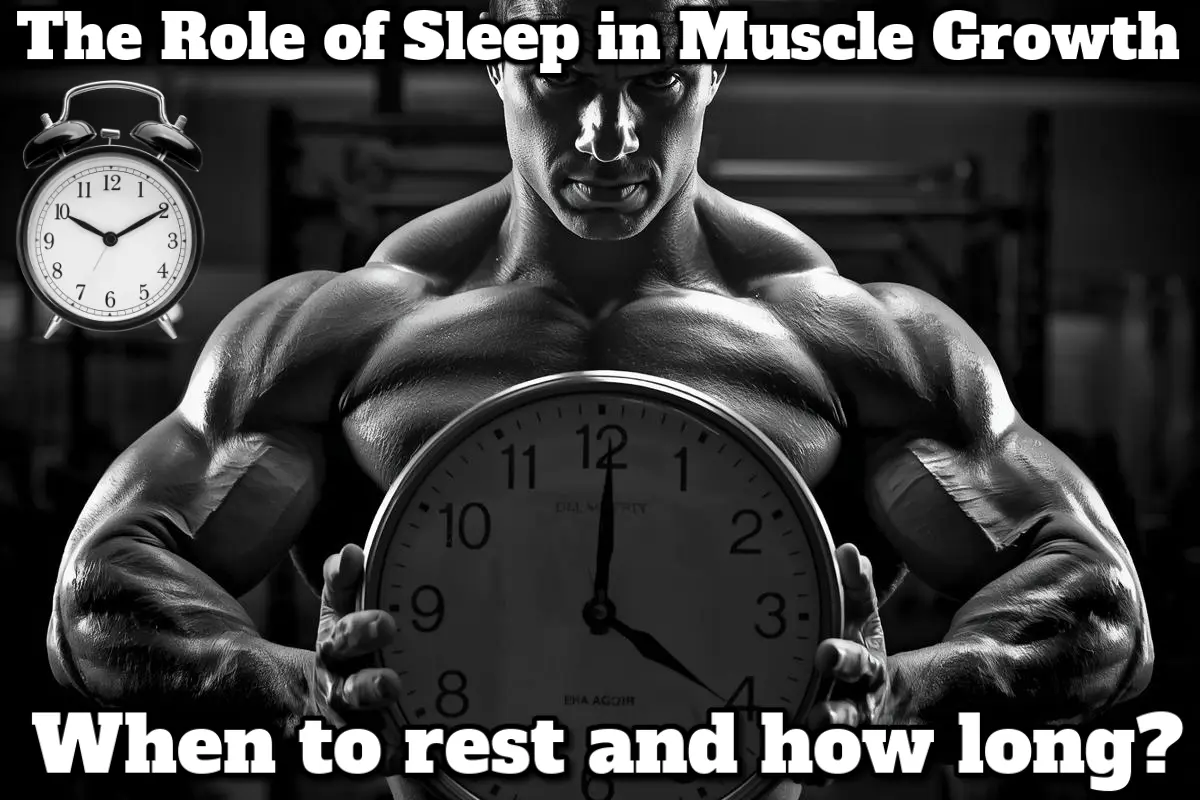
In the pursuit of muscle growth and athletic performance, many individuals turn to a variety of supplements and rigorous training regimens, often overlooking a critical component of recovery: sleep. While protein powders, creatine, and other enhancements can play a role in building muscle, the restorative power of a good night’s sleep is arguably more anabolic than any supplement available on the market. Research has shown that sleep not only aids in recovery but also influences hormonal balance and overall muscle development. This article explores the essential role sleep plays in muscle growth, why aiming for eight hours of quality rest should be a priority for anyone serious about their fitness goals, and how optimizing sleep can significantly enhance your training outcomes.Sleep deeply influences hormones, muscle recovery, and overall physical performance.
Learn how science explains the link between rest and strength:
👉 Harvard Health – Effects of Sleep on the Body
Understanding Sleep and Muscle Growth: The Basics of Anabolism
The Role of Protein Synthesis
Muscle growth is essentially a battle between two processes: protein synthesis and protein breakdown. Think of it like a seesaw: when protein synthesis outweighs breakdown, you’re on the path to gains. Protein synthesis is the body’s way of building new muscle fibers using amino acids. To crank up this process, you’ll need to fuel your body with enough protein and, surprise surprise, get plenty of quality sleep. During deep sleep, your body ramps up growth hormone production, which is a major player in protein synthesis. So, while you might love your post-workout protein shake, don’t forget to cozy up for those z’s!
The Importance of Energy Balance
Energy balance is the age-old struggle between calories in versus calories out. If you want to build muscle, you need to eat more than you burn—welcome to the world of a caloric surplus! This surplus provides the essential building blocks for those gains. Now, here’s where sleep comes into play: poor sleep can mess with your appetite and hormone levels, leading to cravings for all the wrong foods and less effective workouts. So, if you’re counting carbs, don’t forget to count your sheep!
The Science Behind Sleep: How It Affects Muscle Recovery
Sleep isn’t just a single, blissful state; it’s a complex mix of cycles and phases that your body goes through. Each night, we progress through stages of light sleep, deep sleep, and REM sleep. Deep sleep is like a spa treatment for your muscles—it’s when your body gets to work repairing and rebuilding. In fact, during this time, blood flow to your muscles increases, delivering all the goodies they need to recover. So, if you’re waking up feeling like you’ve been run over by a truck, it might be time to check in on your sleep cycles!
REM (Rapid Eye Movement) sleep is the stage where dreams happen—and it’s also crucial for muscle repair. This phase not only helps with cognitive functions but also plays a role in hormonal balance, including cortisol and growth hormone release. When you skimp on REM sleep, you may find your recovery stalls and your performance dips. So, if you find yourself dreaming of bigger biceps, aim for those REM cycles!
The Anabolic Window: Timing Sleep for Maximum Gains
Just like you wouldn’t schedule a workout right after a buffet, timing matters for sleep too. The anabolic window refers to the period following exercise when your muscles are primed for recovery and growth. Getting a good night’s sleep soon after a workout allows your body to capitalize on this window, replenishing glycogen stores and accelerating muscle repair. So, if you’ve just smashed a workout, don’t celebrate by binge-watching your favorite series—hit the hay and let your muscles do their magic!
To maximize recovery and growth, consider making sleep part of your training regimen. Set a consistent bedtime, create a relaxing pre-sleep routine (hello, chamomile tea, bye-bye screens), and keep your sleep environment cool and dark. If you really want to go the extra mile, consider taking a short nap post-workout to further enhance muscle recovery. Remember, a well-rested athlete is a stronger athlete—so don’t underestimate the power of those precious hours of sleep!
Sleep Quality vs. Sleep Quantity: Which Matters More?
Now, let’s get into the meat and potatoes—what exactly is quality sleep? It means more than just logging hours in bed. Quality sleep refers to how restorative your sleep is, encompassing the balance of all sleep stages, especially deep and REM sleep. If you’re waking up feeling refreshed and energized, chances are you’re getting that quality snooze. On the other hand, if you’re tossing and turning or waking up every hour, even eight hours won’t do you much good. Aim for quality first—your muscles will thank you!
While individual needs can vary, most athletes should aim for seven to nine hours of sleep per night for optimal muscle growth and recovery. Think of it as your body’s secret sauce. If you’re pushing hard in the gym, err on the side of more sleep—your muscles don’t care about your social life when they’re busy rebuilding! Also, remember that listening to your body is key. If you feel fatigued or underperforming, it might just be time to prioritize your sleep over that late-night Netflix binge. After all, those gains won’t come from just dreaming about them!
The Hormonal Influence of Sleep on Muscle Development
Testosterone and Growth Hormone Levels
Sleep is like that magical potion that bodybuilders dream about (pun intended). During those precious hours of slumber, your body ramps up the production of testosterone and growth hormone. Both of these hormones are essential for muscle development. Testosterone helps with protein synthesis, which means it’s directly involved in building muscle. Think of it as the fairy godmother of gains. Growth hormone, on the other hand, enhances recovery and fat utilization, making it a crucial player in the muscle-building game. So, if you’re skimping on sleep, you might be throwing your hormonal balance—and your biceps—out of whack.
Cortisol: The Stress Hormone’s Effect on Muscle
Cortisol, the not-so-friendly neighbor of testosterone and growth hormone, tends to show up uninvited during stress and sleep deprivation. This stress hormone can wreak havoc on muscle growth by promoting muscle breakdown and hindering recovery. It’s like letting a raccoon rummage through your carefully stacked protein shakes—messy and counterproductive. Chronic elevated cortisol levels can derail your hard-earned gains, making a good night’s sleep feel less like a luxury and more like a non-negotiable necessity.
Common Sleep Disorders and Their Impact on Fitness Goals
Identifying Sleep Disorders
Not all sleep is created equal, and if you find yourself tossing and turning like a fish out of water, it might be time to investigate. Common sleep disorders like insomnia, sleep apnea, and restless leg syndrome can significantly hinder your recovery and fitness progress. Insomnia leaves you wide awake at 3 a.m. contemplating the meaning of life (or just why you haven’t hit the gym yet), while sleep apnea interrupts your slumber with snoring that could wake the dead. If you’re waking up more tired than you were when you went to bed, it’s a clear sign you need to hit the books—or the doctor’s office—on sleep health.
The Consequences of Sleep Deprivation on Training
The impact of sleep deprivation on muscle growth is no joke. Without enough shut-eye, your body struggles to recover from workouts, leaving you feeling like a noodle instead of a powerhouse. Not only does poor sleep lead to decreased performance and endurance, but it can also diminish your motivation to train (cue the couch potato vibes). In short, your workouts become less effective, your risk of injury increases, and those gains you’re after seem to vanish into thin air. So, if you’re serious about your fitness goals, consider sleep a cornerstone of your training regimen.
Supplements vs. Sleep: Prioritizing Recovery Strategies
Comparing the Efficacy of Supplements
Ah, the supplement aisle—a veritable candy store for fitness enthusiasts. But hold your horses! While there’s a glittering array of products promising to give you the physique of a Greek god, none replace the benefits of quality sleep. Supplements can play a role in your muscle-building strategy, but they can’t replicate the natural processes that occur during deep sleep. Imagine trying to replace your delicious home-cooked meal with a pre-packaged frozen dinner—not quite the same satisfaction, right? Prioritizing sleep can amplify the effects of supplements, making your training more effective.Explore premium performance and wellness products at
👉 Euro Pharmacies Products — your trusted source for quality supplements.
Integrating Sleep into Your Recovery Routine
Integrating sleep into your recovery routine is as essential as your post-workout shake. Think of sleep as the unsung hero of your fitness journey; it’s not flashy, but it packs a punch. Aim to establish a consistent sleep schedule, treat your bedtime as sacred, and combine it with other recovery techniques like proper nutrition and hydration. When you prioritize sleep alongside your supplements, you create an all-star lineup for muscle growth. It’s like having the Avengers of recovery working in your favor—who wouldn’t want that?
Tips for Optimizing Sleep to Enhance Muscle Growth
Creating a Sleep-Conducive Environment
To optimize your sleep for muscle growth, you need to create an environment that’s as cozy as your favorite blanket fort. Start by ensuring your bedroom is dark, quiet, and cool—think of it as your personal sleep sanctuary. Invest in blackout curtains, consider a white noise machine, and keep gadgets at bay; the blue light from screens is like a party crasher for melatonin production. Your bed should also be invitingly comfortable, so if yours is older than your gym membership, it might be time for an upgrade.Athletes who prioritize sleep experience more strength gains and faster recovery.
See how proper rest enhances every stage of muscle growth:
👉 NIH Study – Sleep & Athletic Recovery
Best Practices for Pre-Sleep Habits
Your pre-sleep habits can make or break your quality of zzz’s. Aim to wind down at least an hour before bed with relaxing activities—like reading a book or practicing yoga—rather than binge-watching the latest series (though we know it’s tempting). Avoid caffeine in the afternoon, and try to ditch the late-night snacks (sorry, midnight ice cream fanatics!). Consistency is key, so even on weekends, aim to keep your sleep schedule steady. Remember, the better the sleep, the better the gains—let the pillow fight commence!In conclusion, while supplements can support your muscle-building efforts, the importance of sleep cannot be overstated. Prioritizing quality sleep enhances recovery, optimizes hormonal balance, and ultimately contributes to greater muscle growth. By implementing strategies to improve your sleep habits and understanding its pivotal role in your fitness journey, you can unlock your full potential and achieve your muscle growth goals more effectively. Remember, eight hours of quality rest might just be the most powerful tool in your bodybuilding arsenal.
Frequently Asked Questions
How many hours of sleep do I need to maximize muscle growth?
Most experts recommend aiming for 7 to 9 hours of quality sleep per night to optimize recovery and muscle growth.
Can short naps during the day help with muscle recovery?
Yes, short naps can be beneficial for recovery, especially if you are sleep-deprived. They can help reduce fatigue and improve performance.
What are some tips for improving sleep quality?
To enhance sleep quality, create a consistent sleep schedule, limit screen time before bed, maintain a cool and dark sleeping environment, and practice relaxation techniques.
Does sleep impact my workout performance?
Absolutely. Insufficient sleep can lead to decreased strength, endurance, and overall workout performance, making adequate rest crucial for optimal results.
Team EP