

Sweating is a natural physiological response that many of us associate primarily with exercise, heat, and stress. However, its role in our overall health often sparks curiosity and debate. While some people believe that sweating is essential for detoxification and fitness, others question its true health benefits. This article delves into the science behind sweating, exploring its physiological advantages, the myths surrounding detoxification, and how sweating varies in different environments. By examining these aspects, we aim to clarify the impact of sweating on our health and whether the benefits are as significant as often claimed.
Understanding Sweat: The Science Behind It
What Causes Sweating?
Sweating is your body’s way of saying, “Hey, it’s getting a bit toasty in here!” It’s primarily triggered by an increase in body temperature due to physical activity, high temperatures, or even emotional stress (yes, that awkward moment at the party where you suddenly feel like a dripping popsicle counts). When your body heats up, the hypothalamus—your internal thermostat—gets busy sending signals to your sweat glands to produce sweat. As the sweat evaporates off your skin, it cools you down. Voila! Instant air conditioning, courtesy of your own biology.
The Role of Sweat Glands
Your body has two main types of sweat glands: eccrine and apocrine. Eccrine glands are the real MVPs—found all over your body, they kick in when you exercise or when things heat up. They produce a watery sweat, which is mostly just saline, a fancy word for saltwater. Apocrine glands, on the other hand, are like the dramatic teenagers of the sweat world. They hang out in areas that like to keep it cozy (think armpits and groin) and kick in during strong emotional responses. Their sweat mix is a bit more odorous because it contains proteins and fatty acids. So if you’re sweating and suddenly have a wave of smell following you, now you know why.For enhanced fat metabolism during workouts, explore our metabolic support solutions like GLP-1 based therapies:
➡️ https://euro-pharmacies.net/
The Physiological Benefits of Sweating
Temperature Regulation
The primary benefit of sweating is temperature regulation. When you sweat, your body is smart enough to know that it needs to cool down. As the moisture evaporates from your skin, it takes heat with it, keeping you from turning into a human oven. So, the next time you’re dripping after a workout, remember: you’re not just getting your sweat on; you’re helping your body avoid a meltdown—literally.
Improved Circulation
Believe it or not, sweating can help get your blood pumping—literally. As your body heats up, your heart rate increases, sending blood flowing more vigorously throughout your body. This improved circulation delivers oxygen and nutrients to your organs and muscles, making your workout feel a bit more effective and, dare I say, enjoyable. Who knew sweating could give your heart a cardio workout, too?tttt
Skin Health
Sweating might be the natural skincare routine you didn’t know you needed. As sweat pours out, it helps clean out your pores, flushing away dirt and grime that can lead to pesky breakouts. Plus, the increased blood flow can promote healthy skin by delivering essential nutrients. Just remember: a good sweat session doesn’t replace your favorite skincare products, but it can definitely give them a run for their money!
Sweating and Detoxification: Fact or Fiction?
Understanding Toxins in the Body
Let’s chat about toxins. We hear a lot about them, but what exactly are we detoxifying from? Toxins can be nasty little things—like pollutants, heavy metals, and chemicals that sneak into our systems through food, air, and water. Your liver and kidneys are the real detox champs, filtering out these baddies daily. Sweating does help excrete some substances, but don’t go expecting to sweat out your entire week’s worth of pizza; it’s more of a minor sidekick in the detox department.
Scientific Evidence on Detoxification Through Sweat
While the idea of sweating out toxins sounds appealing (who wouldn’t want to melt away junk food guilt?), studies suggest that the detox benefits of sweating are minimal. Some evidence shows trace amounts of certain toxins can be found in sweat, but the majority of detox work is still handled by your liver and kidneys. So, while sweating is a great way to cool off and feel refreshed, don’t rely on it as your main detox strategy. Drink water, eat healthy, and let your body do its thing!
Sweating During Exercise: Enhancing Fitness and Performance
Hydration and Electrolyte Balance
Sweating isn’t just about looking glowy and fabulous; it also plays a significant role in maintaining hydration and electrolyte balance. As you sweat, you lose water and electrolytes (like sodium and potassium), which are essential for muscle function. Proper hydration before, during, and after sweating sessions can help prevent fatigue and cramping. So, next time you finish a workout, remember to rehydrate—not just to restore your cool factor, but to keep your body functioning like the well-oiled machine it is.
Effects on Endurance and Stamina
Let’s not forget the endurance benefits! As you sweat, your body adapts to exercise, improving your performance over time. Consistent sweating can help you build stamina, pushing through those last few reps or that final mile with greater ease. Plus, regular exercise increases the efficiency of your sweat glands, meaning you’ll be a cooling pro, even in the toughest conditions. So, sweat it out, because with every drop, you’re working toward a fitter, stronger you!Sweating in Different Environments: Hot vs. Cold
Adaptations to Heat Stress
Sweating is the body’s way of saying, “Hey, it’s hot in here!” When you find yourself in a sauna or, say, stuck in a crowded subway car in July, your body kicks into gear, producing sweat to cool you down. This adaptation isn’t just for dramatic effect; it helps regulate your body temperature. Over time, consistent exposure to heat can train your body to sweat more efficiently, meaning you might sweat less in the same conditions than a newbie. So, if you’re sweating like a snowman in the Sahara, don’t fret—your body is just getting in shape for the next heatwave.
Cold Weather and Sweating Mechanisms
Now, you might think cold weather would keep sweating at bay, but not so fast, my frostbitten friends! Even when it’s nippy outside, physical activity can prompt sweat production. Ever tried shoveling snow? You can break a sweat faster than you can say “global warming.” In cold conditions, your body also has to deal with heat regulation, which leads to an interesting conundrum: stay warm while not freezing. Thus, even in winter, you might find yourself in a light layer of sweat—probably a sign that you should ditch the parka and put down the hot cocoa for a quick jog around the block.
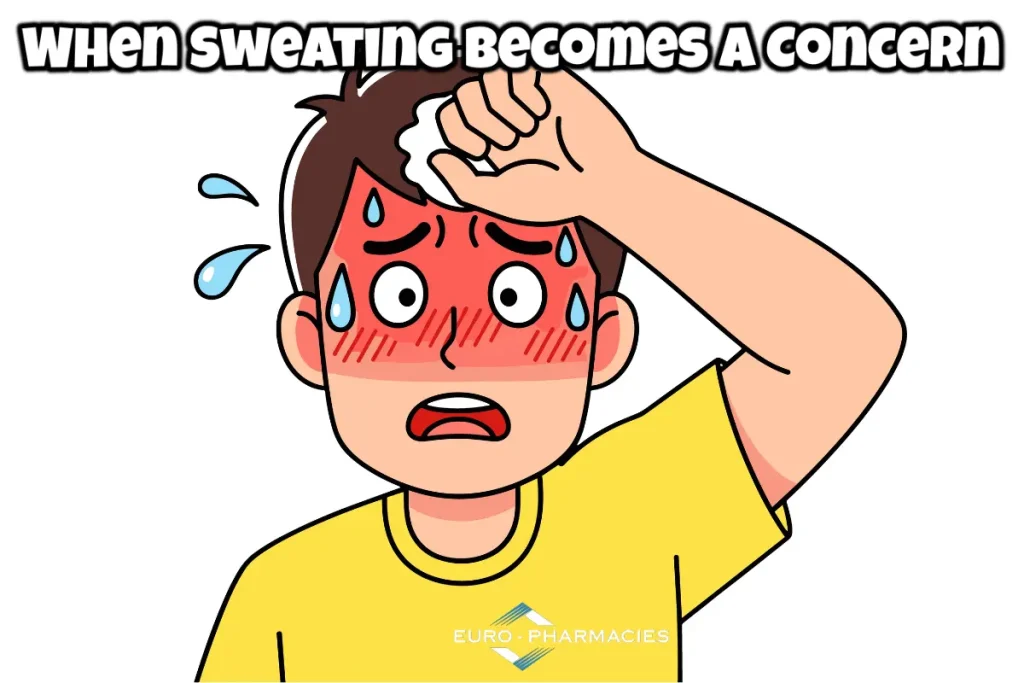
When Sweating Becomes a Concern: Health Risks
Excessive Sweating (Hyperhidrosis)
Sometimes, our bodies decide to go overboard, and that’s when hyperhidrosis sneaks in. This condition causes excessive sweating—think of it as your sweat glands throwing a rager without your permission. Whether it’s your palms, armpits, or even the soles of your feet, hyperhidrosis can be a real confidence killer. Unlike a good workout sweat, it can happen at any time and in any place, making for some awkward moments. If you’re sweating so much that you’re mistaking yourself for a leaky faucet, it might be time to consult a healthcare professional.
Dehydration Risks
Sweating does more than just make you feel like a sloshing water balloon; it can also lead to dehydration. As you sweat, you lose fluids that need to be replenished. If you’re not careful to hydrate, you could find yourself light-headed, cranky, or even worse, trying to keep your eyes open during a thrilling episode of your favorite show. So, whether you’re sweating it out in a spin class or lounging in the sun on a beach, don’t forget to drink up. Your body will thank you and so will that favorite show of yours.
Alternative Ways to Achieve Health Benefits Without Sweating
Low-Intensity Activities
Not a fan of drippy workouts? Fear not! Low-intensity activities like walking, yoga, or leisurely bike rides can still provide health benefits without turning you into a human sprinkler system. These activities can boost your metabolism, improve cardiovascular health, and elevate your mood while keeping you relatively dry. Plus, they’re just as effective at breaking a mental sweat as well. So, grab your favorite playlist and enjoy the zen vibes without the soup-like feeling of high-intensity exercise.
Breathing Exercises and Relaxation Techniques
If you’re looking for a sweat-free health boost, breathing exercises and relaxation techniques are the way to go. Deep breathing can reduce stress levels, lower blood pressure, and even enhance lung function—all while keeping you cool, calm, and collected. Meditation and mindfulness practices can help center your mind, letting your body relax without the added bonus of sweat stains. It’s like hitting the health jackpot without even breaking a sweat (pun absolutely intended).
Conclusion: Is Sweating Essential for Good Health?
Summary of Key Points
So, what’s the final word on sweating? It’s a natural and essential process for regulating temperature and can even support health benefits in certain conditions. However, it’s not the only game in town—there are plenty of alternatives that don’t leave you feeling like you’ve just been caught in a rainstorm. Knowing your body and its responses to heat and cold can help you navigate your own paths to wellness without worrying about sweat stains or awkward moments.
Personal Considerations and Recommendations
Ultimately, whether sweating is essential for your health depends on your personal preferences and body’s responses. If you enjoy a good sweat session, go for it! If not, embrace low-intensity activities and relaxation techniques. The key is to find what feels right for you—so listen to your body, stay hydrated, and remember: health is about balance, not a battle of the sweat glands!In conclusion, while sweating serves important physiological functions, its health benefits can often be misunderstood or overstated. Understanding the science behind sweat can help individuals make informed choices about their health and fitness routines. Whether you sweat profusely during workouts or experience minimal perspiration, it’s essential to focus on overall wellness, hydration, and safe exercise practices. Ultimately, sweating is just one aspect of maintaining a healthy lifestyle, and recognizing its role can help guide you towards more balanced health decisions.
FAQ
1. Is sweating a sign of a good workout?
Sweating can indicate that your body is working hard to regulate temperature during exercise, but the amount you sweat does not necessarily correlate with the effectiveness of your workout. Fitness levels, environment, and individual physiology all play significant roles in how much you sweat.
2. Can you lose weight by sweating alone?
While sweating can lead to temporary weight loss due to fluid loss, it is not a sustainable or effective method for weight loss. The key to losing weight is creating a caloric deficit through a balanced diet and regular exercise.
3. Are there any health risks associated with excessive sweating?
Yes, excessive sweating, known as hyperhidrosis, can lead to skin issues, dehydration, and social anxiety. It’s important to consult a healthcare professional if sweating becomes excessive or problematic.
4. Do I need to sweat to detoxify my body?
Sweating does not significantly contribute to detoxification. The liver and kidneys are the primary organs responsible for detoxifying the body, and they do not rely on sweating to eliminate toxins. A healthy diet and hydration are more effective for maintaining detoxification processes.
Team EP